Introduction
Everyone gets the occasional pimple — but when breakouts become painful, persistent, or start leaving scars, it’s no longer “just acne.” For millions of people worldwide, acne isn’t only a cosmetic issue; it’s a medical condition that can affect confidence, comfort, and even mental health.
So how do you know when to stop trying new cleansers and start seeking professional help?
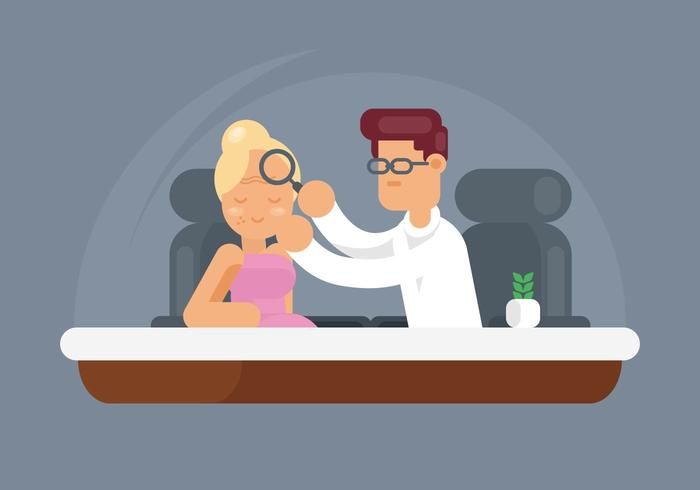
This article explains when to see a dermatologist for acne, what treatments they can offer, and why early medical care can make all the difference.
Understanding Acne: More Than Skin Deep
Acne occurs when hair follicles become clogged with oil (sebum), dead skin cells, and bacteria. It’s influenced by multiple factors — hormones, genetics, stress, diet, and even certain skincare products.
While mild acne (occasional whiteheads or blackheads) can often be managed with over-the-counter (OTC) products, moderate to severe acne requires dermatologist-led care.
Ignoring persistent acne can lead to:
-
Permanent scarring or dark spots (post-inflammatory hyperpigmentation)
-
Painful cysts or nodules
-
Emotional distress and anxiety
When to See a Dermatologist for Acne
If you’re unsure whether to visit a dermatologist, here are clear signs it’s time to make an appointment:
1. Your Acne Isn’t Improving with OTC Treatments
If you’ve tried drugstore cleansers or spot treatments for 8–12 weeks without visible improvement, your acne may need prescription-strength care.
A dermatologist can prescribe:
-
Topical retinoids (like adapalene or tretinoin)
-
Antibiotic creams or gels
-
Oral medications for deeper inflammation
These target acne at its source — excess oil, clogged pores, and bacterial overgrowth.
2. You Have Painful, Deep, or Cystic Acne
Cystic acne develops under the skin’s surface and can feel tender or swollen. Unlike small pimples, these cysts don’t easily come to a head and can cause long-term scarring if left untreated.
A dermatologist may recommend:
-
Oral isotretinoin (Accutane) for severe or resistant acne
-
Corticosteroid injections to reduce painful cysts quickly
-
Chemical peels or laser therapy for post-acne marks
3. Acne Is Leaving Scars or Dark Spots
If you notice indented scars, dark patches, or uneven texture, it’s important to intervene early.
Dermatologists can offer advanced solutions such as:
-
Microneedling to stimulate collagen
-
Laser resurfacing to fade scars
-
Chemical peels for pigmentation correction
Prompt treatment helps prevent permanent skin damage.
4. You Suspect Hormonal or Adult Acne
Breakouts around the jawline, chin, or neck — especially before periods — are often hormonal.
A dermatologist can identify underlying causes and prescribe:
-
Oral contraceptives or anti-androgen medications (like spironolactone)
-
Customized skincare routines for adult skin
-
Lab testing if hormonal imbalance is suspected
5. Your Acne Is Affecting Your Self-Esteem
Acne doesn’t just hurt physically — it can also impact emotional well-being. If you’re avoiding social situations, feeling anxious, or losing confidence due to your skin, a dermatologist can help.
Professional treatment often leads to visible improvement within weeks, restoring both skin health and self-confidence.
6. You’re Experiencing Acne with Other Symptoms
Sometimes acne is part of a bigger medical picture. Seek professional help if you notice:
-
Sudden, severe acne after age 25
-
Acne with irregular periods or excess hair growth (possible PCOS)
-
Acne flaring after new medications or supplements
-
Painful nodules or inflammation spreading beyond the face (like chest or back acne)
These patterns may indicate hormonal or systemic triggers that require medical evaluation.
What to Expect at Your Dermatology Visit
A dermatologist will:
-
Assess your acne type and severity (comedonal, inflammatory, cystic, hormonal)
-
Review your skincare routine and lifestyle factors
-
Develop a personalized treatment plan, which may include:
-
Prescription topical creams
-
Oral antibiotics or hormonal therapy
-
In-office treatments (peels, light therapy, microneedling)
-
-
Monitor progress over 8–12 weeks, adjusting therapy as needed
Dermatologists approach acne holistically — addressing both current breakouts and long-term skin health.
Expert-Recommended Treatments
| Treatment Type | Examples | Ideal For |
| Topical Retinoids | Adapalene, Tretinoin | Mild–moderate acne |
| Topical Antibiotics | Clindamycin, Erythromycin | Inflammatory acne |
| Oral Medications | Doxycycline, Isotretinoin | Moderate–severe acne |
| Hormonal Therapy | Birth control, Spironolactone | Hormonal or adult acne |
| Procedures | Laser, Peels, Microneedling | Scars & post-acne marks |
Prevention and Skincare Tips from Dermatologists
Even after your acne clears, maintenance is key. Dermatologists recommend:
-
Gentle cleansing twice daily with a mild, non-comedogenic cleanser
-
Avoid picking or squeezing pimples to prevent scars
-
Use a moisturizer labeled “oil-free” or “non-comedogenic”
-
Daily sunscreen (SPF 30+) to prevent pigmentation
-
Consistent routine — acne management takes time and patience
💡 Dermatologist’s Note:
“If your acne persists beyond three months or causes scarring, don’t wait. Early intervention prevents permanent damage and restores confidence.”
— Dr. Sandra Lee, Board-Certified Dermatologist (Source: American Academy of Dermatology)
FAQs About Seeing a Dermatologist for Acne
Q1: Can I treat acne without seeing a dermatologist?
Mild acne may improve with OTC products containing benzoyl peroxide or salicylic acid, but persistent or cystic acne requires prescription care.
Q2: How soon will I see results after seeing a dermatologist?
Most patients notice improvement within 6–8 weeks, though full results may take several months depending on severity.
Q3: Does insurance cover acne treatment?
In many regions, acne treatment is considered a medical necessity — so dermatology consultations and prescriptions are often covered.
Q4: Can dermatologists help with acne scars?
Yes. Dermatologists offer advanced procedures like microneedling, fractional lasers, and chemical peels to minimize scarring and smooth skin.
You Also Might be Interested In:
- Best Over-the-Counter Acne Treatments
- What Is Acne? Symptoms, Causes & Treatment Options
- Natural Remedies for Acne: What Really Works
Conclusion
If you’ve tried countless acne products without lasting results, it’s time to see a dermatologist. Professional evaluation not only treats active breakouts but also protects your skin from scarring, pigmentation, and emotional distress.
Acne is a medical condition — and with expert care, clear, healthy skin is achievable.
This article is for informational purposes only and not a substitute for professional medical advice. Always consult a board-certified dermatologist for personalized diagnosis and treatment.

Leave a Reply