Introduction
Acne-prone skin needs more than random skincare products — it needs consistency, science, and simplicity. Whether you’re battling persistent breakouts or occasional pimples, the right routine can make a visible difference.
According to the American Academy of Dermatology (AAD), nearly 85% of people experience acne at some point, and most can significantly improve their skin by adopting the right cleansing, moisturizing, and treatment habits.
In this article, you’ll learn a complete dermatologist-approved routine for acne-prone skin — including what to use, what to avoid, and how to build a long-term, skin-friendly regimen.
Understanding Acne-Prone Skin
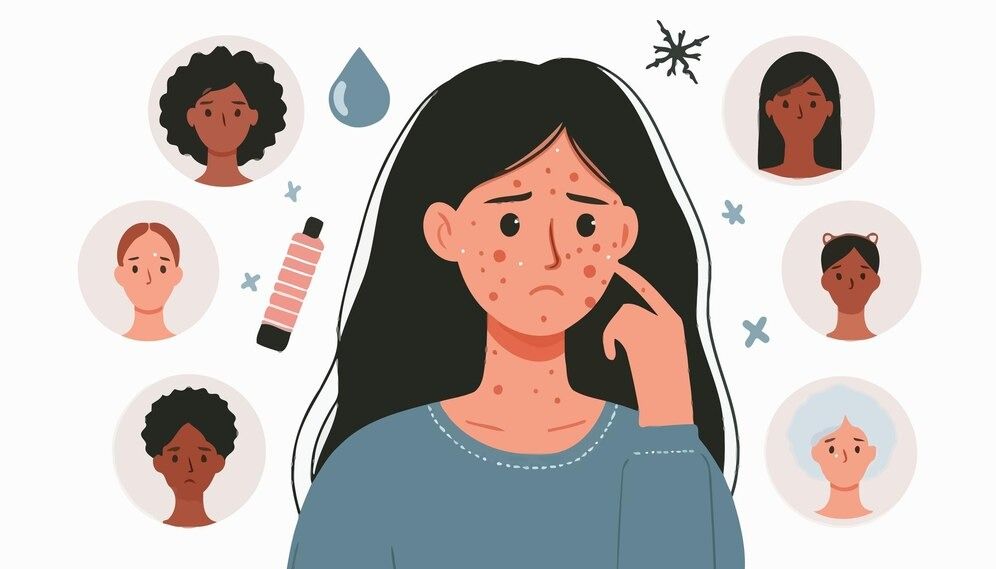
Acne-prone skin is characterized by overactive sebaceous (oil) glands, clogged pores, and inflammatory lesions like pimples, blackheads, and whiteheads.
Key contributors include:
-
Excess oil (sebum) production
-
Clogged pores due to dead skin cells
-
Bacterial overgrowth (Cutibacterium acnes)
-
Hormonal fluctuations and stress
-
Irritating skincare products
Unlike normal skin, acne-prone skin requires products that are non-comedogenic, oil-free, and gentle on the barrier — yet effective in targeting acne-causing factors.
Dermatologist-Approved Skincare Routine for Acne-Prone Skin
A consistent 4-step skincare routine can help reduce breakouts, control oil, and restore balance.
Step 1: Cleanser — Keep It Gentle, Not Harsh
Purpose: Remove excess oil, dirt, and bacteria without stripping the skin.
Dermatologist-recommended ingredients:
-
Salicylic acid (0.5–2%) — unclogs pores and exfoliates gently
-
Benzoyl peroxide (2.5–5%) — kills acne-causing bacteria
-
Niacinamide — soothes redness and strengthens the barrier
Morning & Night Tip:
Wash your face twice daily (no more than that). Over washing can irritate the skin and trigger more oil production.
Best cleanser types:
-
Foaming or gel-based for oily skin
-
Creamy, low-foam cleansers for combination or sensitive skin
Step 2: Toner (Optional but Helpful)
Purpose: Balance skin’s pH and remove leftover impurities.
Opt for alcohol-free toners containing:
-
Witch hazel (gentle astringent)
-
Niacinamide (reduces redness)
-
PHA (Polyhydroxy acids) (mild exfoliation for sensitive skin)
Avoid toners with fragrance or alcohol, as they can worsen irritation and dryness.
Step 3: Treatment — Target Active Acne
This is the core step of your acne-fighting routine.
Depending on your skin’s needs, use one or more of these clinically proven ingredients:
| Ingredient | Function | How to Use |
| Benzoyl Peroxide | Kills acne-causing bacteria | Use in the morning or as spot treatment |
| Retinoids (Adapalene, Tretinoin) | Prevent clogged pores, reduce scarring | Apply at night (start slowly) |
| Salicylic Acid | Exfoliates pores and controls oil | Use in cleanser or serum |
| Azelaic Acid | Brightens skin and reduces inflammation | Good for sensitive skin |
| Niacinamide | Anti-inflammatory, reduces oil | Use daily for barrier repair |
Note: Introduce active ingredients gradually (e.g., every other night) to minimize irritation.
Step 4: Moisturizer — Don’t Skip It!
Even acne-prone skin needs hydration. Skipping moisturizer can lead to increased oil production and barrier damage.
Choose a lightweight, non-comedogenic moisturizer with:
-
Ceramides (repair skin barrier)
-
Hyaluronic acid (hydrates without oil)
-
Niacinamide (soothes inflammation)
Pro tip: Use a gel-based or lotion-type moisturizer rather than heavy creams.
Step 5: Sunscreen — Your Skin’s Daily Shield
Sun protection is non-negotiable, especially if you use acne treatments like retinoids or acids, which increase photosensitivity.
Look for:
-
Oil-free, non-comedogenic formulas
-
SPF 30 or higher
-
Zinc oxide or titanium dioxide (for sensitive or acne-prone skin)
Apply every morning, even indoors, and reapply every 2–3 hours if you’re outside.
Dermatologist’s Note
💬 Dr. Whitney Bowe, MD, Dermatologist & Author of “The Beauty of Dirty Skin,” says:
“Acne-prone skin isn’t dirty or damaged — it’s sensitive and reactive. The goal is to calm inflammation, not punish your skin with harsh scrubs or drying treatments. Gentle consistency always wins.”
This reflects a clinical truth: less is more in acne care. Overuse of actives or switching products frequently often worsens breakouts.
Weekly Add-Ons: Exfoliation & Masks
To complement your daily routine:
-
Exfoliate 1–2 times a week using chemical exfoliants like salicylic acid or lactic acid (avoid physical scrubs).
-
Clay masks with kaolin or bentonite can help absorb excess oil.
-
Avoid overdoing treatments — more is not better for acne-prone skin.
Common Mistakes to Avoid
❌ Using too many active ingredients at once
❌ Popping or picking pimples (causes scars)
❌ Skipping sunscreen
❌ Using comedogenic makeup or oils
❌ Changing products too frequently
Consistency and patience are key. Most acne treatments take 6–8 weeks to show visible results.
Prevention & Lifestyle Tips
-
Keep pillowcases and phone screens clean
-
Avoid touching your face frequently
-
Follow a balanced diet rich in antioxidants and low in high-glycemic foods
-
Manage stress — chronic stress can increase hormonal breakouts
-
Stay hydrated and sleep 7–8 hours nightly
FAQs About Acne-Prone Skin Routine
1. Should I use toner daily?
Only if it’s gentle and alcohol-free. Otherwise, stick to cleanser, treatment, and moisturizer.
2. Can I skip moisturizer if I have oily skin?
No. Hydration prevents overproduction of oil and maintains the skin barrier.
3. How long before I see improvement?
Usually within 6–12 weeks of consistent use of dermatologist-approved products.
4. Can sunscreen cause breakouts?
Only if you’re using a comedogenic one. Choose an oil-free SPF labeled “non-comedogenic.”
5. Should I exfoliate every day?
No. Limit chemical exfoliation to 1–2 times a week to avoid irritation.
Conclusion
Building a skincare routine for acne-prone skin doesn’t have to be complicated — it has to be consistent, evidence-based, and kind to your skin. Start with gentle cleansing, add targeted treatment, and always protect your barrier with moisturizer and sunscreen.
For persistent acne that doesn’t improve after 2–3 months, consult a board-certified dermatologist for prescription-strength solutions.
You also might be interested in:
- What Is Acne? Symptoms, Causes & Treatment Options
- When to See a Dermatologist for Acne
- Acne Scars: Causes and How to Fade Them
Disclaimer:
This article is for informational purposes only and not a substitute for professional medical advice. Always consult a dermatologist before starting new skincare treatments.

Leave a Reply