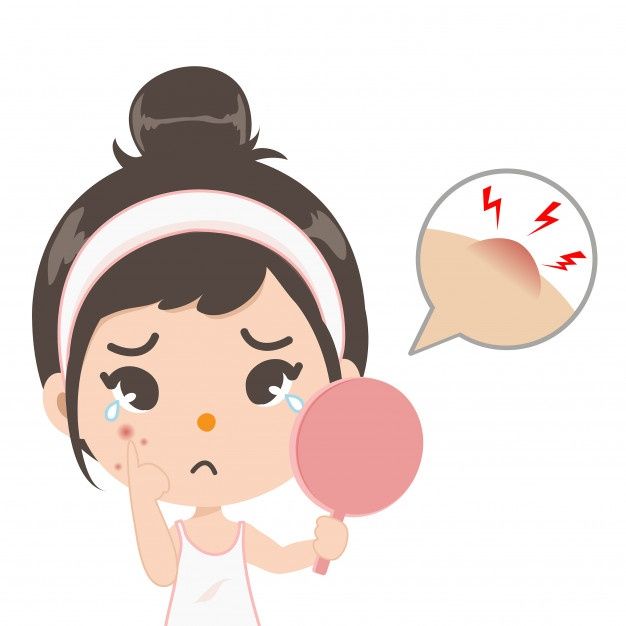
Few things affect a young person’s confidence like acne. Whether it’s a 10-year-old experiencing their first blackheads or a teenager dealing with breakouts before school photos, acne can cause emotional distress and self-consciousness.
Acne in children and teens is extremely common — but it’s also highly treatable. Understanding what causes acne at this age and how to manage it with the right skincare and medical guidance is the first step toward clear, healthy skin.
This article explains how to treat acne in kids and teens safely and effectively, following dermatologist-approved standards. We’ll cover causes, treatment options, prescription choices, and prevention.
Understanding Acne in Young Skin
Why Acne Appears in Kids and Teens
Acne develops when pores (hair follicles) become clogged with excess oil (sebum), dead skin cells, and sometimes bacteria (Cutibacterium acnes).
In children and adolescents, the triggers are mostly hormonal. During puberty, an increase in androgen hormones stimulates oil glands, leading to clogged pores and inflammation.
Common contributing factors include:
-
Hormonal changes (puberty, menstruation)
-
Genetics (family history of acne)
-
Overactive sebaceous glands
-
Using greasy cosmetics or hair products
-
Friction from helmets, straps, or tight clothing (“mechanical acne”)
-
Poor skincare habits (e.g., over-washing, harsh scrubbing)
Types of Acne in Kids and Teens
Dermatologists classify acne into several types:
-
Comedonal acne: whiteheads and blackheads
-
Inflammatory acne: red pimples (papules and pustules)
-
Cystic acne: deep, painful lumps that can scar
-
Acne mechanica: caused by friction or pressure from sports gear
Younger children (ages 7–12) often develop “pre-adolescent acne”, usually mild and focused on the T-zone. In teenagers, breakouts may be more widespread and inflammatory.
Dermatologist Quote:
“It’s important for parents to understand that acne isn’t caused by poor hygiene or eating chocolate,” explains Dr. Angela Lamb, MD, Associate Professor of Dermatology at Mount Sinai Hospital. “It’s a medical condition linked to hormones and genetics — and early intervention helps prevent scarring and self-esteem issues.”
Dermatologist-Approved Treatment Options
1. Establish a Gentle Daily Skincare Routine
Start with the basics. Consistent, gentle care can dramatically reduce breakouts in most young patients.
Morning Routine:
-
Cleanse: Use a mild, fragrance-free cleanser with ingredients like salicylic acid (0.5–2%) or benzoyl peroxide (2.5%) for oily skin. For sensitive skin, opt for a non-medicated gentle cleanser.
-
Moisturize: Choose a non-comedogenic, oil-free moisturizer to maintain the skin barrier.
-
Sun Protection: Apply a broad-spectrum SPF 30 or higher every morning — acne medications increase sun sensitivity.
Evening Routine:
-
Remove makeup or sunscreen thoroughly.
-
Wash with the same cleanser.
-
Apply treatment products (retinoids or spot treatments, as prescribed).
Avoid over-washing — twice daily is enough. Over-cleansing can strip oils and trigger rebound sebum production.
Dermatologist Quote:
“Teenagers often believe that scrubbing harder will ‘clean’ the acne,” notes Dr. Joshua Zeichner, MD, Director of Cosmetic & Clinical Research in Dermatology at Mount Sinai. “In reality, harsh scrubbing worsens inflammation and damages the skin barrier.”
2. Over-the-Counter (OTC) Treatments
Mild acne can often be managed with non-prescription medications found in drugstores.
Common OTC ingredients include:
| Ingredient | How It Works | Tips for Use |
| Benzoyl Peroxide | Kills acne bacteria and reduces inflammation | Start with 2.5–5% to avoid irritation |
| Salicylic Acid | Unclogs pores by exfoliating dead skin cells | Best for blackheads/whiteheads |
| Adapalene (Differin) | A gentle retinoid that prevents clogged pores | Apply at night, use sunscreen daily |
| Niacinamide | Soothes inflammation and redness | Found in moisturizers or serums |
Pro Tip: Start with one active ingredient at a time. Combining too many can irritate young skin.
If there’s no improvement after 6–8 weeks, or acne is moderate to severe, it’s time to consult a dermatologist.
3. Prescription Treatments
When OTC options don’t control acne, dermatologists may recommend prescription medications tailored to the patient’s age, skin type, and severity.
a. Topical Retinoids (Tretinoin, Adapalene, Tazarotene)
These vitamin A derivatives help prevent clogged pores and promote cell turnover.
✅ Suitable for teens and some pre-teens under supervision.
❌ May cause dryness initially — pair with a gentle moisturizer.
b. Topical or Oral Antibiotics (Clindamycin, Doxycycline)
Used for moderate to severe inflammatory acne. They reduce bacteria and inflammation.
⚠️ Must be combined with benzoyl peroxide to prevent antibiotic resistance.
c. Hormonal Therapy (for older teens)
For girls with acne linked to menstruation, oral contraceptives or spironolactone can help balance hormones.
d. Oral Isotretinoin (Accutane)
Reserved for severe, cystic, or scarring acne when other treatments fail. Requires strict medical supervision and lab monitoring.
Dermatologist Quote:
“For teens with deep or resistant acne, isotretinoin can be life-changing,” says Dr. Sandra Johnson, MD, FAAD. “However, it’s used cautiously due to potential side effects and is never prescribed without close dermatologic oversight.”
Safe and Supportive Home Care
Beyond medication, small lifestyle adjustments make a big difference.
✔️ Do’s:
-
Wash pillowcases and face towels twice a week.
-
Keep hair clean and away from the face.
-
Use oil-free, non-comedogenic cosmetics.
-
Encourage hydration and a balanced diet rich in fruits, vegetables, and whole grains.
❌ Don’ts:
-
Don’t pop or squeeze pimples — it increases inflammation and risk of scars.
-
Avoid alcohol-based toners or harsh scrubs.
-
Limit sugary and dairy-heavy diets if acne seems linked to them (some studies suggest correlation).
Emotional Impact: Supporting Kids and Teens
Acne isn’t just skin-deep — it can significantly affect self-esteem.
A 2023 Journal of the American Academy of Dermatology study found that adolescents with moderate-to-severe acne are twice as likely to experience anxiety or depression symptoms.
Parents and caregivers play a crucial role. Encourage open discussion about skin changes and remind them that acne is a normal and treatable condition.
Dermatologist Insight:
“Treating acne early prevents not only physical scars but emotional ones,” says Dr. Whitney Bowe, MD, FAAD. “Confidence improves dramatically when skin clears — that’s as important as the medical outcome.”
When to See a Dermatologist
Consult a board-certified dermatologist if:
-
Acne is painful, cystic, or leaving marks or scars
-
OTC products haven’t worked after 8–12 weeks
-
Acne worsens during menstruation or stress
-
There are signs of skin picking or emotional distress
Early medical guidance helps choose the right combination of therapies before acne becomes chronic or scarring.
Preventing Future Breakouts
-
Stick to a consistent routine — skipping products can trigger new pimples.
-
Avoid sharing makeup or towels.
-
Keep sports helmets and masks clean.
-
Use lukewarm water — hot water can irritate skin.
-
Follow up every 2–3 months with your dermatologist to monitor progress.
FAQs
1. Can 10-year-olds get acne?
Yes. Pre-teen or “early-onset” acne can start around age 9–10 as hormone levels rise. It’s usually mild and treatable with gentle cleansers or topical medications.
2. How long does acne treatment take to work?
Most treatments take 6–12 weeks to show visible improvement. Consistency is key — stopping early often causes flare-ups.
3. Is it safe for teens to use retinoids?
Yes, when prescribed and monitored by a dermatologist. Start slowly (2–3 nights a week) and use sunscreen daily.
4. Can diet cause acne in kids?
While not the main cause, diets high in sugar, refined carbs, and dairy may worsen acne in some individuals. A balanced diet supports overall skin health.
5. Should kids with acne see a doctor?
If acne causes discomfort, scarring, or low self-esteem, yes. Early dermatological care prevents worsening and promotes faster recovery.
Key Takeaways
-
Acne in kids and teens is common, not a reflection of hygiene.
-
Early, gentle treatment prevents scarring and emotional distress.
-
Consistency and dermatologist guidance are crucial for lasting results.
-
Building healthy skincare habits early fosters lifelong skin confidence.
Conclusion
Treating acne in kids and teens requires patience, empathy, and medical accuracy. From gentle cleansers to prescription therapies, there’s a safe, effective solution for every child. Early dermatologic care not only clears skin but helps rebuild confidence — reminding young people that acne doesn’t define them.

Leave a Reply