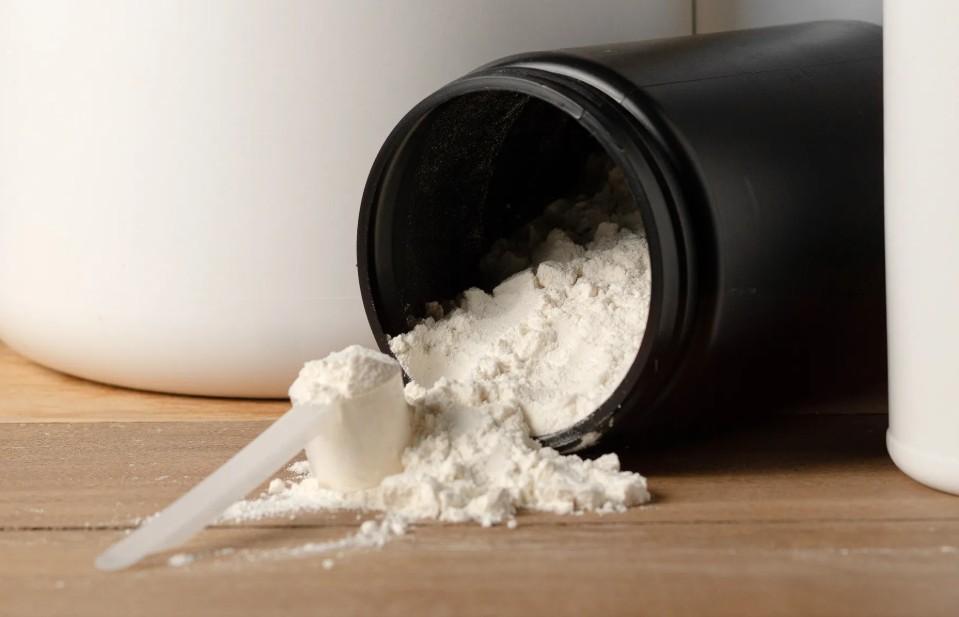
Creatine is one of the most widely used supplements in the fitness world — praised for improving strength, accelerating muscle growth, and boosting workout performance. But over the past decade, a popular question has caused concern among gym-goers and athletes:
Does creatine cause hair loss?
The rumor largely stems from concerns about DHT (dihydrotestosterone) — a hormone linked to androgenetic alopecia, commonly known as male-pattern baldness. Some believe creatine increases DHT levels and therefore accelerates hair shedding.
As a dermatologist, I regularly see young men who visit clinics with hair fall concerns after starting supplements like creatine, whey protein, or testosterone boosters.
This article breaks down the research, clarifies the myths, and helps you understand the real relationship between creatine and hair health — based strictly on medical evidence, dermatology expertise.
What Is Creatine? (Simple Explanation)
Creatine is a natural compound made by the liver, kidneys, and pancreas, and stored in muscle cells. It helps produce ATP, the main energy source for muscle contractions.
Creatine benefits include:
- Increased strength and power
- Improved workout performance
- Faster muscle recovery
- Enhanced muscle mass
- Better high-intensity exercise endurance
It is considered one of the safest and most researched sports supplements.
So where did the hair-loss fear come from?
The Origin of the “Creatine Causes Hair Loss” Myth
The fear traces back to a single study in 2009 involving college rugby players. Here’s what happened:
- Participants took creatine for 3 weeks.
- Their DHT levels increased by ~56%.
- Their testosterone levels did not increase.
- No hair loss was actually measured.
This study triggered the widespread belief that creatine raises DHT — and because DHT is associated with male-pattern baldness, many concluded creatine must cause hair loss.
But the truth is more complex — and less alarming.
Understanding DHT and Hair Loss
To understand this question scientifically, we must understand the role of DHT.
What is DHT?
Dihydrotestosterone (DHT) is a hormone formed when testosterone is converted by 5-alpha-reductase.
DHT contributes to:
- Beard growth
- Male sexual development
- Prostate function
- Muscle strength
But it also plays a major role in genetic hair loss.
How DHT causes hair thinning
In people genetically predisposed to androgenetic alopecia, DHT gradually:
- Shrinks hair follicles
- Shortens the growth (anagen) phase
- Produces thinner, weaker hair
- Eventually leads to miniaturization and hair loss
Key point:
DHT affects only those who are genetically sensitive to it.
So the concern is that if creatine increases DHT, it may theoretically accelerate hair loss — but theory does not equal proven reality.
Does Creatine Actually Cause Hair Loss? Evidence Reviewed
Let’s examine what dermatology research and sports medicine studies really say.
1. Only One Human Study Ever Linked Creatine to Higher DHT Levels
The 2009 rugby study is the only research showing an increase in DHT — but even this study had limitations:
- Very small sample size
- Only men aged 18–23
- Short duration (3 weeks)
- No measurement of hair changes
- No replication by any other study
More importantly:
No study has ever shown that creatine increases hair loss.
2. Multiple Modern Studies Show No Change in DHT
Since then, newer research has failed to replicate the 2009 finding.
Sports medicine trials investigating creatine for:
- Strength enhancement
- Athletic performance
- Muscle gain
…have shown no significant change in testosterone or DHT levels.
3. Dermatologists do not observe creatine-induced hair loss
In clinical practice, hair loss is far more commonly linked to:
- Genetics
- Stress
- Nutritional deficiencies
- Weight changes
- Illness
- Steroid use
- Excessive supplements
Creatine alone rarely appears as a cause.
4. If DHT increases, it remains within physiologic range
Even if creatine moderately increases DHT (not proven), levels still remain:
- Within normal reference range
- Far below those caused by anabolic steroids
Such mild fluctuations do not cause noticeable hair loss in most individuals.
What Dermatologists Think: An Expert Perspective
As a dermatologist, here is the clinically realistic explanation:
✔ Creatine Does Not Directly Cause Hair Loss.
✔ It Does Not Damage Follicles or Trigger Shedding.
✔ It May Possibly Slightly Increase Dht in Some Individuals — but Evidence is Weak and Unconfirmed.
✔ Only People With Strong Genetic Predisposition to Male-pattern Baldness May Notice Faster Thinning (if Any).
✔ for the Vast Majority, Creatine is Safe for Hair.
Hair loss among creatine users is usually coincidental or related to other factors.
Who Might Be More at Risk?
Creatine is likely safe for most people, but certain individuals should be more aware.
1. Those with a family history of male-pattern baldness
If your father, uncles, or grandfather experienced baldness early, your follicles are already DHT-sensitive.
In such cases, even normal DHT fluctuations may affect hair.
2. Those experiencing rapid shedding around the same time
Rapid lifestyle changes such as:
- Intense workouts
- Calorie deficits
- High-protein diets
- Weight cuts
- Poor sleep
- Stress
…can trigger telogen effluvium, a temporary shedding condition — mistakenly blamed on creatine.
3. Those using multiple supplements
Some “muscle boosters,” especially testosterone boosters or SARMs, definitely increase DHT and accelerate baldness.
Creatine alone is not the issue — but supplement stacks may be.
What Actually Causes Hair Loss During Fitness Training?
If you noticed shedding after starting gym routines, creatine may not be the culprit.
1. Rapid Weight Loss
Crash dieting leads to telogen effluvium, causing sudden shedding 2–3 months later.
2. High Stress Workouts
Intense training elevates cortisol, which can disrupt the hair cycle.
3. Low Iron or Vitamin D
Common in athletes and a major cause of hair thinning.
4. Protein Overconsumption or Deficiency
Too much whey or too little total protein plays a role.
5. Overtraining
Hormonal shifts from overtraining syndrome affect hair health.
How to Use Creatine Safely Without Affecting Hair
1. Use standard creatine monohydrate
It is the most researched and safest form.
2. Avoid “testosterone boosting” blends
These do affect DHT and can speed up hair thinning.
3. Stay hydrated
Creatine increases water demand, and dehydration affects scalp health.
4. Ensure balanced nutrition
Check:
- Iron
- Ferritin
- Vitamin D
- Zinc
- B12
These are crucial for healthy hair.
5. Manage stress and sleep
Both are major hair loss triggers.
What to Do If You Notice Hair Thinning
If you’ve started creatine and suddenly see hair shedding:
Step 1: Check if it’s telogen effluvium
This condition shows:
- Sudden, diffuse shedding
- Triggered by stress, illness, weight loss, or lifestyle changes
- Usually temporary
Creatine itself is not the trigger.
Step 2: Look at family history
Male-pattern baldness begins:
- At temples
- At crown
- Gradually
Creatine does not create this pattern — genetics does.
Step 3: Start early dermatological treatment
Options include:
- Topical minoxidil 5%
- Oral minoxidil (prescription)
- Finasteride (blocks DHT)
- Low-level laser therapy
- PRP therapy
- Ketoconazole shampoo
Starting treatment early gives better results.
Frequently Asked Questions (FAQs)
1. Does creatine make your hair fall out?
No. There is no proven evidence that creatine causes hair loss. Only one outdated study suggested a temporary DHT rise, but no hair changes were measured.
2. Does creatine increase DHT?
Possibly mildly — but studies are inconsistent. Even if it does, levels remain normal and rarely cause noticeable hair thinning.
3. If I have male-pattern baldness, should I avoid creatine?
You don’t need to avoid it entirely. But be aware that if you are genetically sensitive to DHT, even minor hormonal changes may accelerate hair loss. Use creatine cautiously and consider preventive treatments.
4. Is creatine safe for long-term use?
Yes. Creatine monohydrate is one of the safest, most studied supplements. It has no proven harmful effects on hair follicles.
5. Can creatine cause temporary shedding?
No. Temporary shedding is usually telogen effluvium from stress, dieting, or illness — not creatine.
Conclusion
Creatine remains one of the safest and most effective fitness supplements — and the belief that it causes hair loss is largely a myth. While one early study linked creatine to a rise in DHT levels, no research has ever proven that creatine triggers or accelerates hair thinning.
Key takeaways
- Creatine does not directly cause hair loss.
- Only one small study ever showed increased DHT — never replicated.
- Hair loss is far more commonly caused by genetics, stress, nutrition, or overtraining.
- Even if creatine influences hormones slightly, the effect is unlikely to be clinically significant.
- Individuals with strong genetic predisposition may be more sensitive — not because of creatine, but because of DHT biology.
If you’re concerned about shedding, consult a board-certified dermatologist early for diagnosis and treatment.
Medical Disclaimer
This article is for educational purposes only and is not a substitute for professional medical advice, diagnosis, or treatment. Always consult a licensed dermatologist before starting or stopping any supplement or treatment.

Leave a Reply