Introduction
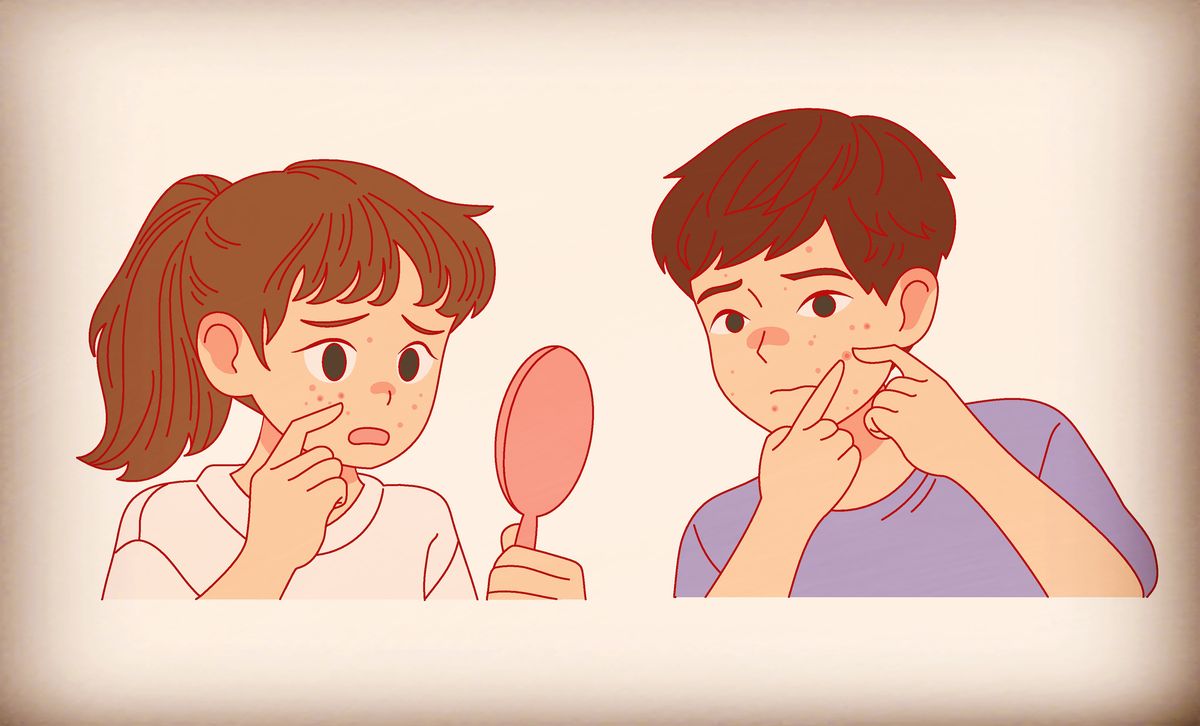
Acne may heal, but the marks it leaves behind can last for months — or even years. For many people, acne scars are not just a cosmetic concern; they’re a daily reminder of past breakouts that can affect self-confidence and emotional well-being.
The good news? Modern dermatology offers multiple effective ways to fade and treat acne scars, from topical ingredients to advanced in-office procedures.
This article explains what causes acne scars, the different types, and the best dermatologist-approved treatments to help restore smoother, healthier skin.
Understanding Acne Scars: Why They Form
When acne lesions penetrate deep into the skin, they damage tissue beneath the surface. During healing, the body produces collagen — but sometimes too much or too little, resulting in uneven texture or discoloration.
Common Causes of Acne Scarring
-
Inflammatory acne: Deep cysts and nodules often cause tissue damage.
-
Picking or popping pimples: Increases inflammation and delays healing.
-
Delayed treatment: The longer acne remains untreated, the higher the risk of scarring.
-
Genetic predisposition: Some individuals naturally produce more fibrotic tissue during healing.
Types of Acne Scars
Not all scars are the same — and identifying the type is key to choosing the right treatment.
1. Atrophic Scars (Depressed Scars)
These occur when collagen loss leaves indentations in the skin.
-
Ice pick scars: Deep, narrow pits (most challenging to treat).
-
Boxcar scars: Broad depressions with sharp edges.
-
Rolling scars: Shallow, wave-like indentations.
2. Hypertrophic Scars and Keloids
These are raised scars caused by excessive collagen production. They are more common on the chest, back, shoulders, and jawline.
3. Post-Inflammatory Hyperpigmentation (PIH)
These are dark or red marks, not true scars, but often mistaken for them. They occur when inflammation triggers excess melanin during healing.
💡 Dermatologist’s Note
“Acne scars are a form of wound healing gone awry. Early acne treatment is the best prevention — and once scars form, there are many ways we can safely improve them.”
— Dr. Shereene Idriss, MD, Board-Certified Dermatologist and Founder of PillowtalkDerm
How to Fade Acne Scars: Dermatologist-Approved Treatments
1. Topical Ingredients
Over-the-counter and prescription topicals can help reduce discoloration, smooth skin texture, and boost collagen.
a. Retinoids (Tretinoin, Adapalene)
Retinoids accelerate cell turnover and stimulate collagen, making them essential for fading atrophic scars and pigmentation.
“Retinoids are the backbone of any acne scar regimen — they rebuild skin over time,” says Dr. Joshua Zeichner, MD, Director of Cosmetic & Clinical Research, Mount Sinai Hospital.
b. Azelaic Acid
Reduces pigmentation and inflammation while being gentle enough for sensitive skin. It helps even tone and lighten post-acne marks.
c. Vitamin C (L-Ascorbic Acid)
A powerful antioxidant that brightens skin and supports collagen formation, reducing dark spots and improving skin radiance.
d. Niacinamide
Soothes inflammation, strengthens the barrier, and fades dark spots caused by acne.
e. Alpha Hydroxy Acids (Glycolic & Lactic Acid)
Chemical exfoliants that resurface the top layer of skin, improving texture and dullness.
2. Professional Treatments
For moderate to severe acne scars, dermatologists may recommend in-office procedures that stimulate collagen and remodel scar tissue.
a. Chemical Peels
Peels using glycolic, trichloroacetic (TCA), or salicylic acid help remove the damaged surface layer, reducing discoloration and improving skin texture.
b. Microneedling
Creates micro-injuries that trigger collagen production and skin renewal. Often combined with PRP (Platelet-Rich Plasma) for enhanced results.
“Microneedling is a versatile treatment that works for most scar types and skin tones,” explains Dr. Mona Gohara, MD, Associate Clinical Professor of Dermatology, Yale School of Medicine.
c. Laser Therapy
-
Fractional laser (CO₂ or Er:YAG): Ideal for deep atrophic scars.
-
Pulsed-dye or Nd:YAG laser: Targets redness and pigmentation.
d. Dermal Fillers
Used for depressed scars to lift the surface temporarily, giving a smoother appearance.
e. Subcision
A minor procedure where a needle is inserted under the scar to break fibrotic bands pulling the skin down — often combined with fillers or microneedling.
f. Steroid Injections
For raised scars and keloids, corticosteroid injections help flatten and soften scar tissue over multiple sessions.
3. At-Home Skincare to Support Healing
In addition to professional treatments, daily skincare helps maintain results and prevent new scars:
-
Cleanse gently: Use a mild, non-comedogenic cleanser twice daily.
-
Moisturize consistently: Hydration supports collagen synthesis.
-
Sun protection: UV exposure worsens scarring and pigmentation — always apply broad-spectrum SPF 30+.
“Sunscreen is non-negotiable for acne-prone skin — it prevents hyperpigmentation and protects healing scars,” says Dr. Debra Jaliman, MD, Assistant Professor of Dermatology at Mount Sinai.
Home Remedies: What Works and What Doesn’t
Some natural ingredients, like aloe vera, honey, and green tea extract, may soothe mild redness or irritation, but their effect on true acne scars is limited.
Avoid DIY treatments such as lemon juice or baking soda, which can irritate skin and worsen pigmentation. Always consult a dermatologist before trying home remedies.
Preventing Future Acne Scars
-
Treat acne early: Don’t wait for it to worsen — early treatment prevents inflammation and tissue damage.
-
Never pick or squeeze pimples.
-
Follow a consistent skincare routine tailored to acne-prone skin.
-
Use targeted actives like retinoids, niacinamide, and azelaic acid regularly.
-
Schedule professional follow-ups for maintenance and scar prevention.
FAQs About Acne Scars
1. Can acne scars fade naturally?
Mild post-inflammatory pigmentation can fade over time, but deep scars usually need targeted treatment.
2. How long do acne scars take to heal?
Surface marks may fade in 3–6 months, while deeper scars often require multiple treatment sessions.
3. Are acne scars permanent?
Some may improve significantly but rarely disappear completely — early intervention offers the best outcomes.
4. Can sunscreen help fade acne scars?
Yes. Daily SPF prevents darkening of scars and supports skin’s healing process.
5. Which treatment is best for ice-pick scars?
Procedures like TCA CROSS, fractional laser, or punch excision are most effective for deep ice-pick scars.
Conclusion
Acne scars may feel permanent, but with modern dermatological advances, they can be significantly reduced and softened. A combination of the right skincare ingredients and professional treatments can help rebuild collagen, improve texture, and restore confidence.
Remember: scar treatment is a journey, not a quick fix — but with consistency, expert guidance, and patience, clear and even skin is achievable.
💬 Dermatologist’s Note
“Acne scars don’t define your skin — they’re a sign that your body healed. With today’s technology, we can make real, visible improvements safely and effectively.”
— Dr. Ranella Hirsch, MD, Board-Certified Dermatologist and Past President, American Society of Cosmetic Dermatology
You also might be interested in:
- Acne Myths Dermatologists Want You to Stop Believing
- Skincare Routine for Acne-Prone Skin
- Best Over-the-Counter Acne Treatments

Leave a Reply