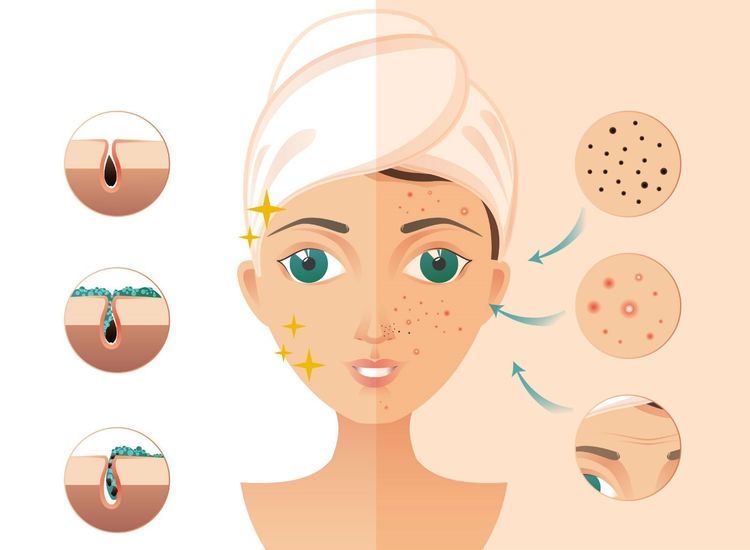
Acne (clinically called acne vulgaris) is among the most common skin conditions worldwide. It affects people of all ages, ethnicities, and skin types. But despite its ubiquity, many myths and misunderstandings persist about what actually causes acne. In this article, we’ll explore the science-based factors behind acne, quote real board-certified dermatologists, and clarify what role (and what limited role) lifestyle and skincare play in acne development.
Disclaimer: This article is for informational purposes only and does not replace personal medical evaluation. If you have persistent or severe acne, consult a board-certified dermatologist for diagnosis and personalized treatment.
Understanding Acne: The Basic Pathophysiology
To understand causes, it helps to first know the fundamental biology behind acne:
-
The skin’s pilosebaceous unit — comprising a hair follicle plus its associated sebaceous (oil) gland — is the central site of acne.
-
Under normal circumstances, sebum (skin oil) and dead skin cells are pushed up and out of the follicle, keeping the pore clear.
-
Acne arises when multiple events go awry together:
-
Excess sebum production — more oil than normal
-
Abnormal shedding of dead skin cells inside the follicle, causing a plug
-
Growth of bacteria, especially Cutibacterium acnes (often abbreviated C. acnes) within the plugged pore
-
Inflammation triggered by the immune system reacting to the bacteria, oils, and cell debris
-
When these four processes align, lesions develop — from non-inflammatory comedones (blackheads, whiteheads) to inflammatory papules, pustules, nodules, or cysts.
The major medical authorities (e.g. Mayo Clinic) list four main factors in acne development: excess oil, clogged follicles, bacterial proliferation, and inflammation. Mayo Clinic
But why do these go awry? What triggers them to worsen in some people and not in others? Let’s break down the key contributing causes and risk factors.
Primary Causes & Risk Factors
1. Hormonal influences and androgen excess
One of the most significant drivers of acne is hormones — particularly androgens (male-type hormones such as testosterone and DHT). Even females have androgen activity in skin, and fluctuations can amplify oil production.
During puberty, circulating androgens rise, stimulating the sebaceous glands and increasing sebum output.
In adult women, cyclical hormone changes (menstruation), conditions like polycystic ovary syndrome (PCOS), pregnancy, or hormonal medications (e.g. some contraceptives) can provoke or worsen acne.
As Dr. Joshua Zeichner (board-certified dermatologist at Mount Sinai) explains:
“Foods that have a high sugar load as well as cow’s milk have been shown to worsen acne breakouts … Emotional stress can also increase activity of the oil glands, leading to breakouts.”
While Dr. Zeichner speaks more about triggers, the underlying hormonal sensitivity of the skin is fundamental.
2. Genetic predisposition and family history
Your risk of acne is significantly influenced by your genetics. If one or both of your parents had severe or scarring acne, your odds of developing similar patterns are higher. American Academy of Dermatology
Genes may regulate how reactive your sebaceous glands are, how your skin responds to hormonal signals, how quickly dead skin cells slough off, and how robust your inflammatory response is.
3. Bacterial overgrowth and microbiome imbalance
Cutibacterium acnes (formerly Propionibacterium acnes) is a normal resident of skin. Under typical conditions it coexists harmlessly. But when a follicle becomes clogged and rich in sebum, C. acnes proliferates and can trigger inflammation.
Some of its metabolic byproducts, enzymes, and surface molecules activate the immune system, inducing redness, swelling, and pus formation.
Recent research also suggests that C. acnes strains differ, and some are more inflammatory than others (i.e. some microbiome imbalances may worsen acne).
4. Inflammation and immune response
Acne is not simply a clogging problem — the inflammatory response is central. Even in early lesions (microcomedones) immune mediators such as interleukins, prostaglandins, and innate immune pathways get activated.
Some individuals’ skin is more “reactive,” meaning even mild triggers provoke a strong inflammatory reaction, which amplifies lesion development and severity.
5. Abnormal follicular keratinization (dead skin cell shedding)
In some people, the normal shedding of skin cells (keratinocytes) inside the follicle becomes dysregulated. Instead of being expelled smoothly, they stick together and accumulate, forming a plug. That plug, combined with sebum, forms the initial foundation for comedones (blackheads or whiteheads).
Once a plug is present, the follicle becomes a closed microenvironment and more vulnerable to bacterial overgrowth and inflammation.
Additional Contributing & Triggering Factors
While the above are the central pathophysiologic factors, a number of modifying triggers can worsen acne in susceptible individuals. These don’t cause acne de novo in most people, but they can exacerbate or perpetuate existing lesions.
Diet & Glycemic Load
There is growing evidence that high-glycemic-index foods (refined carbs, sugary snacks, white breads) can aggravate acne in some individuals. These foods raise insulin and insulin-like growth factor 1 (IGF-1), which may stimulate sebum production and keratinocyte proliferation.
Some studies also link dairy intake (especially skim milk) to acne flares—though the relationship is less strong and likely mediated via hormones in milk.
One dermatologic observation:
“Acne is primarily caused by genetics and hormones. Stress and diet affect hormones and therefore also play a part. Foods with a high glycemic index may contribute.” — Dr. King (board-certified)
However, many dermatologists caution against oversimplifying — diet is a modifier, not the root cause.
Stress and emotional factors
Stress doesn’t directly “cause” acne, but it can worsen existing acne. Under stress, the body releases cortisol and other hormones, which may increase oil production, inflammation, and skin sensitivity.
Dr. Elyse Love (a board-certified dermatologist) and Dr. Josh Zeichner note that emotional stress can stimulate oil glands and exacerbate breakouts.
Comedogenic or occlusive skincare & cosmetics
Using heavy, greasy, or comedogenic (pore-clogging) skincare, makeup, sunscreens, or hair products can trap oil and debris in the pore, augmenting acne.
This is sometimes called acne cosmetica. Wikipedia
It’s important to choose non-comedogenic or non–pore clogging formulations if you have acne-prone skin.
Mechanical factors: pressure, friction, sweating
Constant rubbing, pressure, or friction can aggravate or provoke acne in localized areas. This is called acne mechanica. For example: tight clothing straps, sports helmets, backpack straps, or even frequently resting your phone against your cheek.
Heat and sweat worsen this effect by increasing pore dilation and promoting bacterial growth.
Medications and hormonal therapy
Certain medications can worsen or trigger acne, especially those that influence hormones. Examples include:
-
Corticosteroids
-
Anabolic steroids or testosterone therapies
-
Lithium
-
Some antiepileptics
-
Progestin-containing contraceptives (in some cases)
Environmental & external factors
-
Pollution, environmental irritants, and humidity can aggravate acne.
-
Excessive UV exposure or sun damage can worsen inflammation or pigmentation in acne-affected skin.
-
Overwashing, harsh exfoliation, or abrasive scrubs may damage the skin barrier, increase inflammation, and worsen acne.
Myths vs. Reality: What Doesn’t Cause Acne
Because acne is so visible and distressing, many myths have proliferated. Understanding what does not reliably cause acne helps avoid ineffective or harmful practices. Below are a few common misconceptions.
-
Poor hygiene or dirt
Acne is not primarily a hygiene issue. Scrubbing the skin excessively can worsen inflammation and irritate the barrier. -
Eating greasy food or chocolate (directly)
There is no consistent evidence that eating greasy food (e.g. fries, burgers) directly causes acne. What matters more is overall diet quality (glycemic load, dairy, etc.). -
Sexual activity or masturbation
This is a myth without scientific basis. Dermatologists have consistently debunked it. -
Water or hydration alone “clears acne”
Drinking water is healthy overall, but alone it won’t cure acne. The only way water helps is by facilitating absorption of medications (e.g. by swallowing pills). -
Using any oil-cleansing method or all-natural remedies is safer
Natural or essential oils can still be comedogenic or irritating. Each substance must be evaluated scientifically.
Why Some People Get Worse Acne Than Others
Even among individuals exposed to the same environment or diet, acne severity can vary. This comes down to individual factors such as:
-
Hormonal sensitivity: Two people may have similar androgen levels, but one’s sebaceous glands or skin receptors may be more reactive.
-
Genetic differences in inflammatory pathways
-
Skin barrier integrity and how easily irritation or immune activation occurs
-
Microbiome differences in C. acnes strains or skin flora
-
Lifestyle factors such as sleep, stress, and skin care rituals
-
Delay in seeking treatment, which allows mild acne to escalate
In other words, acne represents a complex interplay, not a single cause.
Clinical Insights: What Dermatologists Observe
Here are some real-world observations and interpretations from board-certified dermatologists:
-
From Dermatologists Debunking Acne Myths (Dr. Elyse Love & Dr. Josh Zeichner):
“There’s no data to support that it’s a hygiene problem that’s causing acne … overcleansing your skin … increases inflammation.” Business Insider
-
On diet and hormonal acne, Dr. Rosalind Simpson (University of Nottingham) states:
“People think that eating greasy food increases oil on the skin, which leads to acne. But that’s a misconception … The oil on your skin — sebum from pores — is mostly influenced by hormones and genetics.” The Guardian
-
From Dr. King:
“Acne is primarily caused by genetics and hormones. Stress and diet affect hormones and therefore also play a part. Foods with a high glycemic index may contribute to acne in some people.”
These comments illustrate the prevailing view: hormonal and genetic factors are primary, while diet, stress, and cosmetics are modulators.
Summary: The Root Causes of Acne in a Nutshell
-
Hormonal and androgen-driven sebum overproduction
-
Abnormal shedding of skin cells in the follicle (keratinization dysfunction)
-
Bacterial overgrowth (especially C. acnes) within clogged pores
-
Inflammatory immune response triggered by the above
-
Genetic predisposition and individual skin reactivity
-
Modifiers/triggers: diet (glycemic load, dairy), stress, comedogenic products, friction/pressure, medications, environment
Because acne is multifactorial, effective management often requires a multi-pronged approach tailored to each person.
Why Knowing the Cause Matters (and What It Helps With)
-
Targeted treatment selection: Understanding whether hormonal, bacterial, or cosmetic factors dominate in your case guides which therapy (e.g. hormonal agents, antibiotics, retinoids, skincare adjustments) will work best.
-
Avoiding ineffective “cures”: Misplaced focus on diet alone or excessive face scrubs can waste time and worsen skin.
-
Preventing scarring: Earlier intervention in inflammatory acne helps reduce risk of scars.
-
Patient empowerment: Knowing what you can control (e.g. skincare products, triggers) versus what you can’t (genetics, baseline hormone sensitivity) helps reduce blame and frustration.
Conclusion
Acne is a multifactorial condition influenced by hormonal changes, genetics, environmental factors, and lifestyle choices. Understanding these causes is the first step toward effective management. While over-the-counter treatments can be effective for mild cases, persistent or severe acne may require consultation with a dermatologist to explore prescription medications or professional treatments. By adopting a comprehensive approach that includes proper skincare, lifestyle adjustments, and medical interventions when necessary, individuals can manage and reduce the impact of acne on their lives.

Leave a Reply