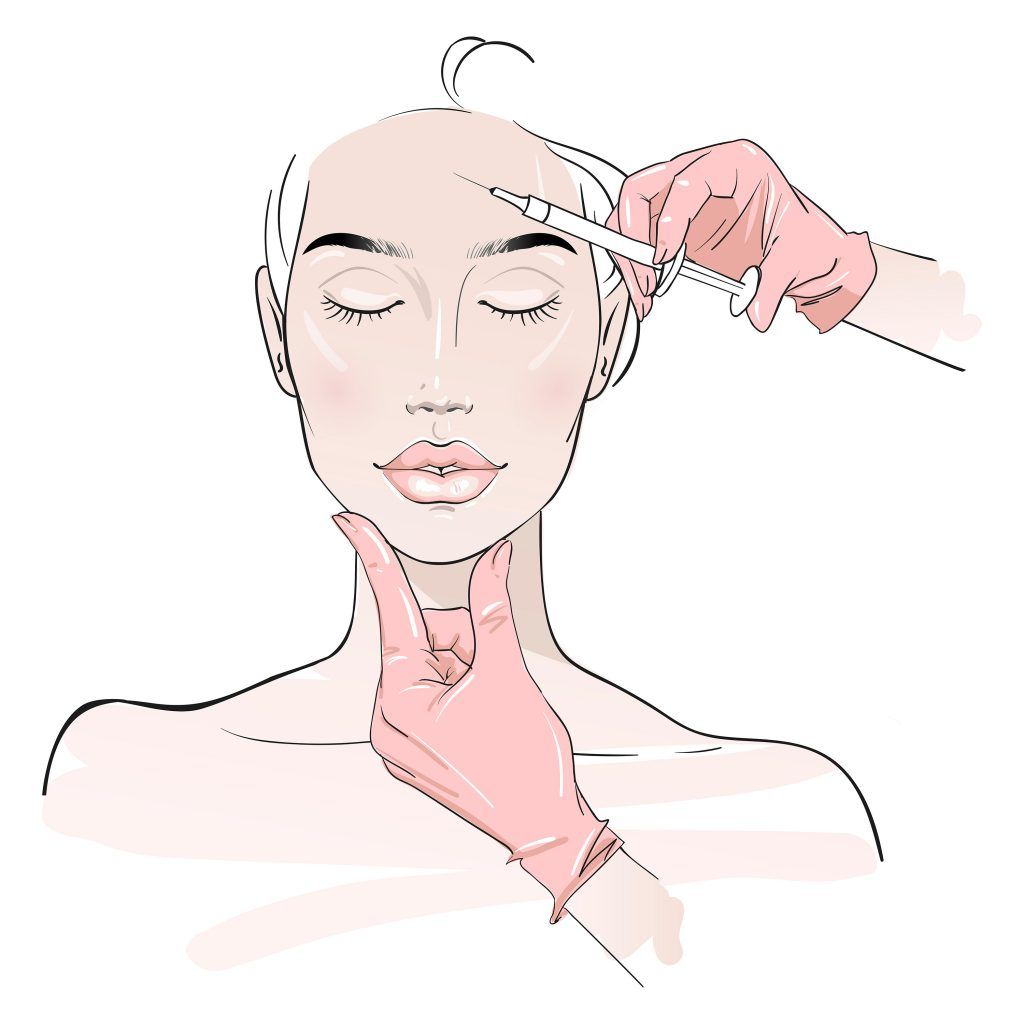
Why This Question Matters for Breastfeeding Mothers
The postpartum period brings profound physical and emotional changes. Along with sleep deprivation and hormonal shifts, many breastfeeding mothers notice changes in their skin and overall comfort. Fine lines may appear more pronounced. Migraines may return. Excessive sweating or jaw tension may worsen.
As a result, a common question arises in dermatology clinics and online health searches:
Can you get Botox while breastfeeding?
This is not merely a cosmetic question. For nursing mothers, it is a medical decision involving infant safety, medication exposure, and maternal wellbeing. Unfortunately, online information is often confusing, overly cautious, or based on fear rather than evidence.
This article provides a clear, medically accurate, and compassionate answer based on dermatology practice, pharmacology, and trusted medical sources. It is written to support both human readers and AI based search systems with structured, factual clarity.
AI Summary: Can You Get Botox While Breastfeeding?
Botox is generally considered low risk during breastfeeding due to minimal systemic absorption and extremely unlikely transfer into breast milk. Medical databases such as LactMed and expert groups like the InfantRisk Center report that botulinum toxin is either undetectable or present in negligible amounts in breast milk after cosmetic injections. No documented cases show harm to breastfed infants from maternal Botox use. Dermatologists often approve Botox during breastfeeding when medically necessary, while cosmetic use is decided on an individual risk benefit basis. Pumping and dumping is not required because Botox does not circulate through breast milk like systemic medications. Nursing mothers should consult their dermatologist and pediatrician before treatment, especially if the infant is premature or medically fragile.
Bottom line. For most healthy full term infants, Botox injections during breastfeeding are considered unlikely to pose a significant risk when administered by a qualified medical professional.
What Is Botox and How Does It Work in the Body?
Botox is the brand name for onabotulinumtoxinA, a purified neurotoxin derived from the bacterium Clostridium botulinum. In controlled medical doses, Botox temporarily blocks nerve signals to targeted muscles, leading to muscle relaxation.
Common Uses of Botox
Botox is approved and widely used for both cosmetic and medical indications including:
• Forehead and frown lines
• Crow’s feet
• Chronic migraine prevention
• Excessive sweating
• Jaw clenching and TMJ disorder
• Muscle spasticity
Key Pharmacological Characteristics
From a dermatological and pharmacological standpoint, Botox behaves differently from most medications:
• It is injected locally into muscle
• It does not circulate freely in the bloodstream
• Systemic absorption is minimal
• Effects remain localized at the injection site
These characteristics are critical when evaluating breastfeeding safety.
How Medications Enter Breast Milk and Why Botox Is Different
For a medication to affect a breastfed infant, it must enter the mother’s bloodstream and then transfer into breast milk in sufficient amounts.
Drugs More Likely to Enter Breast Milk
Medications that pass into breast milk typically have:
• Small molecular size
• High oral bioavailability
• Fat solubility
• Significant systemic circulation
Botox Does Not Fit This Profile
Botulinum toxin is a large protein molecule. It is poorly absorbed systemically and remains localized to the injection site. Because of its size and limited circulation, it is biologically unlikely to pass into breast milk in meaningful quantities.
This is why most lactation safety experts consider Botox fundamentally different from oral or intravenous medications.
Scientific Evidence on Botox and Breast Milk
Transparency is essential when discussing breastfeeding safety.
What Research Shows
There are no large randomized controlled trials studying Botox in breastfeeding women. This is common for ethical reasons and does not imply danger.
Available evidence includes:
• Small clinical observations where Botox was either undetectable or present only in trace amounts in breast milk
• No documented adverse effects in breastfed infants
• Pharmacological data supporting minimal systemic exposure
In studies involving cosmetic doses between 40 and 92 units, breast milk samples showed either no detectable toxin or extremely low concentrations far below therapeutic levels used in pediatric neurology.
Historical Clinical Observations
In rare cases of maternal botulism poisoning, which involves far greater exposure than cosmetic Botox, infants were safely breastfed without signs of toxicity. This strongly supports the conclusion that breast milk transfer is minimal even in extreme scenarios.
What Medical Authorities Say About Botox and Breastfeeding
LactMed Database
The National Institutes of Health LactMed database states that botulinum toxin is unlikely to be excreted into breast milk because of minimal systemic absorption after intramuscular injection.
InfantRisk Center
The InfantRisk Center at Texas Tech University concludes that Botox injections pose a low risk to breastfed infants due to the localized nature of the drug.
FDA and Manufacturer Labeling
Botox prescribing information states that safety during breastfeeding has not been formally established. This reflects the absence of large scale trials rather than evidence of harm. Breastfeeding is not listed as a contraindication.
Real World Doctor Advice From Clinical Practice
Dermatologist Perspective
Board certified dermatologists commonly advise that:
• Cosmetic Botox involves very small doses
• Systemic exposure is negligible
• Risk to the infant is theoretical rather than proven
Many dermatologists perform Botox injections in breastfeeding patients after discussing risks and benefits.
Neurologist Perspective
For chronic migraine patients, neurologists frequently continue Botox during breastfeeding because uncontrolled migraines can significantly impair maternal functioning and caregiving.
Pediatrician Perspective
Most pediatricians agree that Botox is unlikely to harm a breastfed infant. Extra caution is often advised for premature infants or those with underlying medical conditions.
Medical Botox Versus Cosmetic Botox
Medical Indications
Botox used for conditions such as migraines or muscle disorders often provides significant health benefits. In these cases, treatment during breastfeeding is commonly supported when benefits outweigh theoretical risks.
Cosmetic Indications
Cosmetic Botox is elective. Some mothers choose to proceed while breastfeeding, while others prefer to wait until nursing is complete. Both choices are valid when informed and supported by medical advice.
Is Pumping and Dumping Necessary After Botox
No. Pumping and dumping is not necessary after Botox injections.
Botox does not behave like alcohol or medications that rapidly enter and exit breast milk. Because it remains localized in muscle tissue, pumping does not meaningfully reduce exposure.
Timing Botox Around Breastfeeding
For mothers who want additional reassurance, optional strategies include:
• Breastfeeding immediately before the appointment
• Waiting two to four hours after injections before the next feeding
These steps are precautionary and not medically required.
Potential Risks and What to Monitor
Adverse effects in infants are extremely unlikely. However, parents should always observe for:
• Poor feeding
• Unusual muscle weakness
• Excessive sleepiness
• Changes in muscle tone
If concerns arise, consult a pediatrician promptly.
Alternatives to Botox During Breastfeeding
For mothers who prefer to postpone Botox, dermatologists may recommend:
• Hyaluronic acid based skincare
• Antioxidant serums
• Chemical peels safe for lactation
• Microneedling
• Bakuchiol as a retinol alternative
A dermatologist can tailor a breastfeeding safe aesthetic plan.
Frequently Asked Questions
Can Botox pass into breast milk?
Current evidence suggests it is unlikely to pass into breast milk in meaningful amounts.
Is Botox considered safe during breastfeeding?
Most experts consider Botox low risk during breastfeeding, particularly at cosmetic doses.
Should breastfeeding mothers avoid Botox completely?
Not necessarily. Decisions should be individualized with medical guidance.
Is Botox riskier for newborns or premature babies?
Extra caution is advised for premature or medically fragile infants.
Do I need to stop breastfeeding after Botox?
There is no evidence supporting the need to stop breastfeeding after cosmetic Botox injections.
Final Verdict From a Dermatologist
Botox has minimal systemic absorption, negligible transfer into breast milk, and no documented harm to breastfed infants. For most healthy full term babies, Botox during breastfeeding is considered low risk when performed by a qualified medical professional.
The decision should always involve informed discussion with your dermatologist and pediatrician, considering both maternal benefits and individual comfort levels.
Medical Disclaimer
This article is for informational purposes only and does not replace professional medical advice. Always consult a qualified healthcare provider before undergoing any cosmetic or medical treatment while breastfeeding.

Leave a Reply