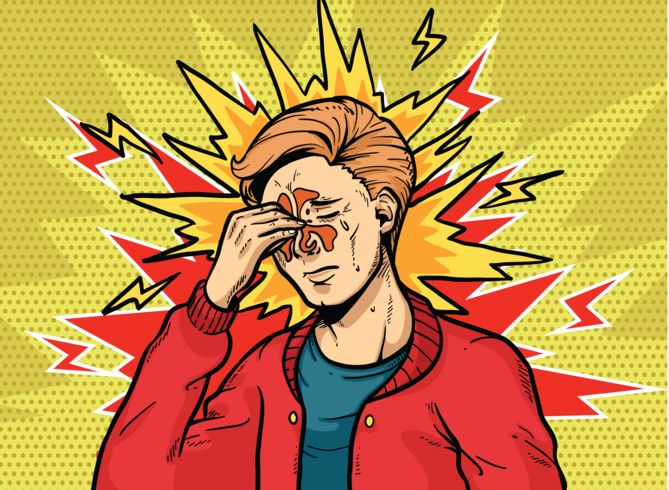
If you’ve ever had a stuffy nose, facial pressure, or a lingering headache after a cold, you may have wondered: Could someone catch this from me?
Sinus infections—known medically as sinusitis—are incredibly common. In fact, over 30 million adults in the U.S. are diagnosed with sinusitis each year (CDC, 2024).
Yet many people confuse sinus infections with colds or allergies, leading to misconceptions about whether they are contagious. The truth depends on the cause.
Some sinus infections arise from contagious viruses, while others result from bacteria or chronic inflammation, which are not contagious.
In this in-depth, medically reviewed article, we’ll explain:
-
What sinus infections are and how they develop
-
The difference between viral and bacterial sinusitis
-
Which types can spread between people
-
How dermatologists and ENT specialists approach sinus-related facial swelling
-
When to seek medical attention and how to prevent recurrence
Understanding Sinus Infections (Sinusitis)
What Are the Sinuses?
The paranasal sinuses are hollow, air-filled cavities in the facial bones surrounding the nose and eyes—specifically the maxillary, frontal, ethmoid, and sphenoid sinuses. Their primary roles include:
-
Humidifying and warming inhaled air
-
Reducing skull weight
-
Enhancing voice resonance
-
Protecting the respiratory tract by filtering pathogens
Each sinus is lined with a mucous membrane that produces mucus to trap dust, allergens, and microorganisms. Mucus normally drains through small openings into the nasal cavity.
What Is Sinusitis?
Sinusitis (sinus infection) occurs when these cavities become inflamed or infected, leading to blockage and mucus accumulation. The trapped mucus creates a favorable environment for bacterial growth, causing pressure, pain, and congestion.
Sinusitis is classified based on duration:
-
Acute sinusitis: ≤ 4 weeks
-
Subacute sinusitis: 4–12 weeks
-
Chronic sinusitis: > 12 weeks or recurrent
Types of Sinus Infections and Their Causes
1. Viral Sinusitis (Most Common)
-
Caused by respiratory viruses such as rhinovirus, influenza, or parainfluenza.
-
Accounts for 90–98% of all sinus infections (Mayo Clinic, 2024).
-
Typically develops after a cold or upper respiratory infection (URI).
-
Symptoms improve within 7–10 days.
-
Contagious? Yes. The virus, not the sinus inflammation itself, spreads via droplets when coughing or sneezing.
2. Bacterial Sinusitis
-
Occurs in only 2–10% of cases, usually as a secondary infection after a viral URI.
-
Common pathogens: Streptococcus pneumoniae, Haemophilus influenzae, Moraxella catarrhalis.
-
Symptoms persist >10 days, or worsen after initial improvement (“double-sickening”).
-
Contagious? No. The bacterial infection within the sinuses is localized and doesn’t spread between people.
3. Fungal Sinusitis
-
Seen in immunocompromised or allergic individuals (e.g., allergic fungal rhinosinusitis).
-
Not contagious.
-
Requires specialized ENT management.
4. Chronic Sinusitis
-
Chronic inflammation lasting >12 weeks, often due to allergies, polyps, or structural issues (deviated septum).
-
Usually non-infectious and not contagious.
Symptoms of Sinus Infections
While overlapping with the common cold, sinusitis typically presents with more localized facial symptoms:
-
Nasal congestion or obstruction
-
Facial pressure or pain (forehead, cheeks, around eyes)
-
Thick yellow/green nasal discharge
-
Postnasal drip (mucus running down the throat)
-
Reduced sense of smell or taste
-
Toothache or upper jaw pain
-
Fatigue or malaise
-
Occasionally fever
Chronic sinusitis may also cause facial fullness, nasal polyps, or persistent nasal blockage without fever.
Are Sinus Infections Contagious?
Short Answer:
-
Viral sinus infections: Yes, mildly contagious (via respiratory droplets).
-
Bacterial, fungal, or chronic sinus infections: No, not contagious.
Detailed Explanation
When a virus infects the upper respiratory tract, it inflames the nasal passages and sinuses. The resulting viral sinusitis isn’t spread through the sinus mucus itself—but through the virus causing the inflammation.
In contrast, bacterial sinusitis develops from bacteria already living in your sinuses or nasal cavity when mucus drainage is blocked. This localized infection cannot spread person to person.
Similarly, chronic sinusitis results from anatomical, allergic, or immune causes—again, not contagious.
Contagious Period
If the cause is viral:
-
Contagious during the first 3–5 days of illness
-
Virus spreads through droplets, hand-to-nose contact, or contaminated surfaces
-
Symptoms like sneezing, coughing, sore throat suggest viral transmissibility
After the acute viral phase subsides, the residual sinus inflammation is non-contagious.
How Sinus Infections Spread (When Viral)
Mode of Transmission:
-
Airborne droplets: from coughing, sneezing, or talking
-
Surface contamination: virus survives up to 24 hours on hands or surfaces
-
Direct contact: kissing, sharing utensils or towels
Preventive Measures:
-
Frequent hand washing
-
Avoid touching face or nose
-
Disinfect common surfaces (phones, doorknobs)
-
Use tissues and discard immediately
-
Wear a mask if coughing or sneezing
Who Is at Higher Risk of Catching or Developing Sinusitis?
-
Individuals with common cold or allergies
-
Those with nasal polyps or deviated septum
-
Smokers or exposed to secondhand smoke
-
People with weakened immune systems (diabetes, HIV, chemotherapy)
-
Children (narrower sinus openings, frequent viral exposure)
Diagnosis
A doctor or ENT specialist diagnoses sinusitis based on symptoms, nasal examination, and occasionally imaging.
1. Physical Examination
-
Nasal speculum or endoscopic exam reveals mucosal swelling, purulent discharge, or polyps.
2. Imaging
-
CT scan used for chronic or recurrent cases to evaluate sinus anatomy.
3. Nasal Cultures or Aspirates
-
Reserved for chronic or antibiotic-resistant cases to identify bacteria or fungi.
4. Allergy Testing
-
Recommended in recurrent or chronic sinusitis linked to allergic rhinitis.
Treatment Options
1. Viral Sinusitis (Contagious Form)
No antibiotics are needed. Treatment focuses on symptom relief until the infection resolves (usually 7–10 days):
-
Saline nasal irrigation (Neti pot or saline spray)
-
Steam inhalation to loosen mucus
-
Decongestants (pseudoephedrine, oxymetazoline ≤3 days)
-
Analgesics (acetaminophen, ibuprofen)
-
Hydration and rest
Dermatologist-ENT Note:
“Many patients mistake persistent nasal congestion for infection when it’s post-viral inflammation. Unnecessary antibiotics can disrupt the microbiome and cause side effects,”
— Dr. Sarah Ramey, MD, Otolaryngologist, Cleveland Clinic.
2. Bacterial Sinusitis
If symptoms last >10 days or worsen after initial improvement, bacterial infection is suspected.
Treatment includes:
-
Antibiotics: Amoxicillin-clavulanate (Augmentin) first line; alternatives include doxycycline or levofloxacin.
-
Intranasal corticosteroids: Fluticasone or mometasone to reduce mucosal inflammation.
-
Saline rinses to promote drainage.
-
Follow-up: Evaluate response within 7 days; persistent symptoms may require imaging or ENT referral.
3. Chronic Sinusitis
For long-term inflammation (>12 weeks):
-
Topical nasal steroids (daily use)
-
Saline irrigation
-
Allergy management (antihistamines, immunotherapy)
-
Endoscopic sinus surgery (FESS) if polyps or obstruction persist.
4. Fungal Sinusitis
-
Antifungal therapy or surgical debridement under ENT guidance.
-
Usually occurs in immunocompromised or allergic fungal sinusitis patients.
-
Not contagious.
Complications to Watch For
Untreated or severe sinus infections can spread to nearby structures, though rare:
-
Orbital cellulitis or abscess (eye swelling, vision changes)
-
Meningitis (fever, neck stiffness, altered mental status)
-
Osteomyelitis (infection of facial bones)
-
Chronic sinus changes leading to anosmia (loss of smell)
Seek urgent care if you experience:
-
Severe headache or facial swelling
-
Vision problems or eyelid drooping
-
High fever
-
Stiff neck or confusion
Prevention Tips
-
Manage Allergies: Use antihistamines and nasal steroids to reduce inflammation.
-
Avoid Upper Respiratory Infections: Wash hands frequently and avoid close contact with sick individuals.
-
Humidify Indoor Air: Dry environments irritate sinuses.
-
Stay Hydrated: Keeps mucus thin.
-
Avoid Smoking and Pollutants: Irritants damage sinus lining.
-
Treat Structural Issues: Correct deviated septum or remove polyps if needed.
Dermatologic Overlap: Facial Swelling and Skin Reactions
Interestingly, facial swelling from sinusitis can mimic dermatologic conditions like rosacea flare, allergic dermatitis, or periorbital edema. Dermatologists often collaborate with ENTs in cases where facial pain, redness, or swelling may be mistaken for a skin infection (cellulitis).
Clinical Tip:
“Recurrent ‘skin swelling’ around the eyes may actually represent underlying sinus inflammation rather than a dermatologic rash,”
— Dr. Noman Butt, MD, Dermatologist.
Frequently Asked Questions
1. Can I catch a sinus infection from someone?
Only viral sinusitis can spread, and what you catch is the virus, not the sinus infection itself.
2. How do I know if my sinus infection is bacterial or viral?
Viral infections usually improve in 7–10 days. Bacterial infections last longer or worsen after initial recovery.
3. Are sinus infections contagious after antibiotics start?
Once antibiotics are started for bacterial sinusitis, the person is not contagious—because bacterial sinusitis isn’t transmissible.
4. Can allergies cause sinus infections?
Yes. Chronic nasal inflammation from allergic rhinitis blocks drainage and predisposes to sinus infection.
5. Should I stay home with a sinus infection?
If symptoms include sneezing, sore throat, or coughing (suggesting viral cause), it’s best to stay home for a few days to prevent viral spread.
Conclusion
Sinus infections are not always contagious—it depends on the cause.
-
Viral sinusitis: contagious during the early phase of infection.
-
Bacterial, fungal, and chronic sinusitis: not contagious.
Understanding the difference helps prevent unnecessary worry and misuse of antibiotics.
Good hygiene, allergy control, and prompt medical care can reduce recurrence and transmission risk.
If your sinus symptoms persist beyond 10 days, worsen, or cause severe facial pain or fever, consult a board-certified ENT or dermatologist for proper diagnosis and evidence-based treatment.
Disclaimer
This article is for informational purposes only and not a substitute for professional medical advice. Always consult a healthcare professional for individualized diagnosis and care.
References
-
Centers for Disease Control and Prevention (CDC). Sinus Infection (Sinusitis) Overview. Updated 2024.
-
Mayo Clinic. Sinusitis: Causes, Symptoms, and Treatments. 2024.
-
American Academy of Otolaryngology–Head and Neck Surgery. Adult Sinusitis Clinical Practice Guideline. 2023.
-
NHS. Sinusitis (Sinus Infection), 2024.
-
PubMed ID 3792187. Differentiating Viral and Bacterial Rhinosinusitis in Clinical Practice. JAMA Otolaryngology, 2023.
-
Cleveland Clinic. Viral vs. Bacterial Sinus Infections: What’s the Difference? 2024.

Leave a Reply