Introduction
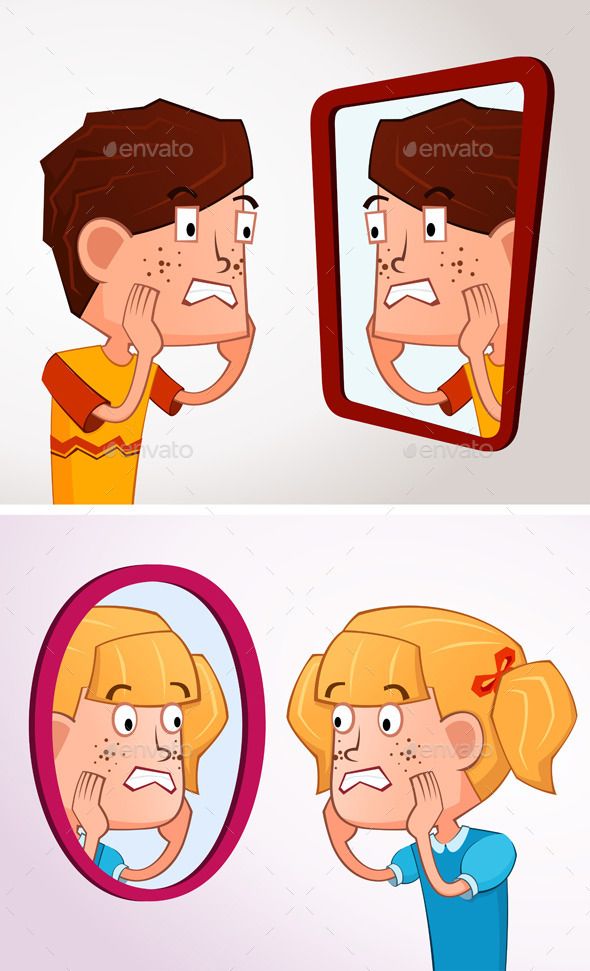
Acne is one of the most common skin concerns worldwide, affecting millions of people at different stages of life. While many associate acne with teenagers, it can persist into adulthood or even begin later in life. Adult acne and teen acne differ in causes, triggers, affected areas, and treatment approaches. Understanding these differences is key to effective management and prevention.
In this article, we will explore the science behind acne, compare adult and teen acne, discuss treatment options, share dermatologist insights, and provide practical lifestyle and skincare tips.
What Is Acne?
Acne is a chronic inflammatory skin condition caused by the blockage of hair follicles with oil, dead skin cells, and bacteria. This leads to blackheads, whiteheads, pimples, cysts, or nodules. Acne is considered a YMYL (Your Money or Your Life) health topic because mismanagement can impact both physical health and emotional well-being, making accurate and expert-backed guidance essential.
Key Factors Contributing to Acne:
-
Excess sebum production: Overactive oil glands clog pores.
-
Hormonal changes: Fluctuations trigger oil production.
-
Bacteria: Cutibacterium acnes colonization causes inflammation.
-
Genetics: Family history increases susceptibility.
-
Lifestyle and environment: Diet, stress, and skincare habits can exacerbate acne.
Teen Acne: Causes and Characteristics
Causes
Teen acne, also known as adolescent acne, primarily occurs between ages 12–19. Its main causes include:
-
Hormonal Changes:
During puberty, androgens increase, stimulating sebaceous glands. This is why acne often emerges around the jawline, forehead, and nose. -
Genetics:
Teens with a family history of acne are more prone to moderate or severe acne. -
Lifestyle Factors:
Diets high in sugar or dairy, stress from school or social pressures, and inconsistent skincare routines can worsen teen acne. -
Skin Care Products:
Heavy or comedogenic products can clog pores, increasing breakouts.
Characteristics
-
Typically affects T-zone and face.
-
Can be inflammatory (pustules, papules) or non-inflammatory (blackheads, whiteheads).
-
Often resolves naturally by the late teens or early twenties, though some cases persist into adulthood.
Dermatologist Insight:
“Teen acne is largely hormonally driven. With proper care and over-the-counter treatment, most cases respond well. Severe cases may require topical or oral medication.” – Dr. Michelle Henry, MD, Board-Certified Dermatologist
Adult Acne: Causes and Characteristics
Causes
Adult acne usually appears after age 25 and affects both men and women. Its triggers differ from teen acne:
-
Hormonal Fluctuations:
Women may experience breakouts related to menstrual cycles, pregnancy, or menopause. Androgen sensitivity can continue into adulthood. -
Stress:
Chronic stress increases cortisol, which can trigger inflammation and sebum production. -
Skin Irritation:
Makeup, skin care, masks, or occupational exposures may contribute. -
Medical Conditions:
Conditions like polycystic ovary syndrome (PCOS) can lead to persistent adult acne.
Characteristics
-
Often affects the lower face, jawline, chin, and neck.
-
More likely to be inflammatory cysts or nodules than teen acne.
-
Can be persistent and harder to treat than adolescent acne.
Dermatologist Insight:
“Adult acne is complex. Unlike teen acne, it often involves hormonal cycles and lifestyle triggers. Tailored treatment, often combining topicals and oral therapy, is essential.” – Dr. Henry Lim, MD, FAAD
Comparing Teen and Adult Acne
| Feature | Teen Acne | Adult Acne |
| Age of onset | 12–19 years | 25+ years |
| Common locations | T-zone (forehead, nose, chin) | Lower face, jawline, neck |
| Causes | Pubertal hormones, genetics, diet | Hormonal fluctuations, stress, medical conditions |
| Types of lesions | Blackheads, whiteheads, papules, pustules | Cysts, nodules, papules, post-inflammatory hyperpigmentation |
| Treatment approach | OTC topical creams, gentle skincare | Combination of prescription topicals, oral medications, hormonal therapy |
| Duration | Usually resolves by early 20s | May persist for years without treatment |
Treatment Options for Teen and Adult Acne
1. Topical Treatments
-
Benzoyl Peroxide: Reduces bacteria and inflammation.
-
Salicylic Acid: Unclogs pores and reduces blackheads.
-
Retinoids (adapalene, tretinoin): Promote cell turnover and prevent clogged follicles.
2. Oral Medications
-
Antibiotics: Reduce bacterial colonization and inflammation.
-
Hormonal Therapy (oral contraceptives, spironolactone): Effective for adult female acne.
-
Isotretinoin: Reserved for severe or resistant acne.
Dermatologist Insight:
“It’s critical to match treatment to acne type and patient age. Over-treating teen acne can damage skin; under-treating adult acne can worsen inflammation and scarring.” – Dr. Amy Forman, MD, Dermatologist
3. Skincare and Lifestyle Tips
-
Gentle cleansing: Twice daily, non-comedogenic cleansers.
-
Moisturizing: Use oil-free, non-comedogenic moisturizers.
-
Sun protection: Daily SPF 30+ to prevent post-inflammatory hyperpigmentation.
-
Healthy diet: Low-glycemic foods, limiting dairy and processed sugar.
-
Stress management: Exercise, meditation, and adequate sleep.
Prevention Strategies
-
Avoid picking or squeezing acne lesions to prevent scarring.
-
Use skincare products suitable for your age and skin type.
-
Maintain a consistent routine, adapting it for seasonal changes.
-
Regularly consult a dermatologist for persistent or severe acne.
FAQs About Teen and Adult Acne
Q1: Can teen acne continue into adulthood?
Yes. While many teens see improvement by early adulthood, some continue to experience breakouts due to genetics or lifestyle factors.
Q2: Is adult acne more difficult to treat than teen acne?
Generally, yes. Adult acne often involves hormonal or lifestyle factors, requiring a more individualized approach.
Q3: Can diet cause acne in teens and adults?
Diet may contribute, especially foods high in sugar and dairy. A balanced diet can help manage acne but is usually not the sole cause.
Q4: Should I see a dermatologist for acne?
Yes. Especially if acne is persistent, painful, or leaving scars. Early intervention can prevent long-term skin damage.
Q5: Are over-the-counter treatments effective for adult acne?
They can help mild cases but often, adult acne requires prescription treatment for optimal results.
Conclusion
Acne affects both teens and adults but differs significantly in cause, severity, and treatment. Understanding whether acne is teen or adult type can guide effective management. A combination of skincare, lifestyle adjustments, and dermatologist-recommended treatments can significantly improve outcomes and prevent scarring.
Disclaimer: This article is for informational purposes only and is not a substitute for professional medical advice. Always consult a board-certified dermatologist for personalized care.

Leave a Reply