Introduction
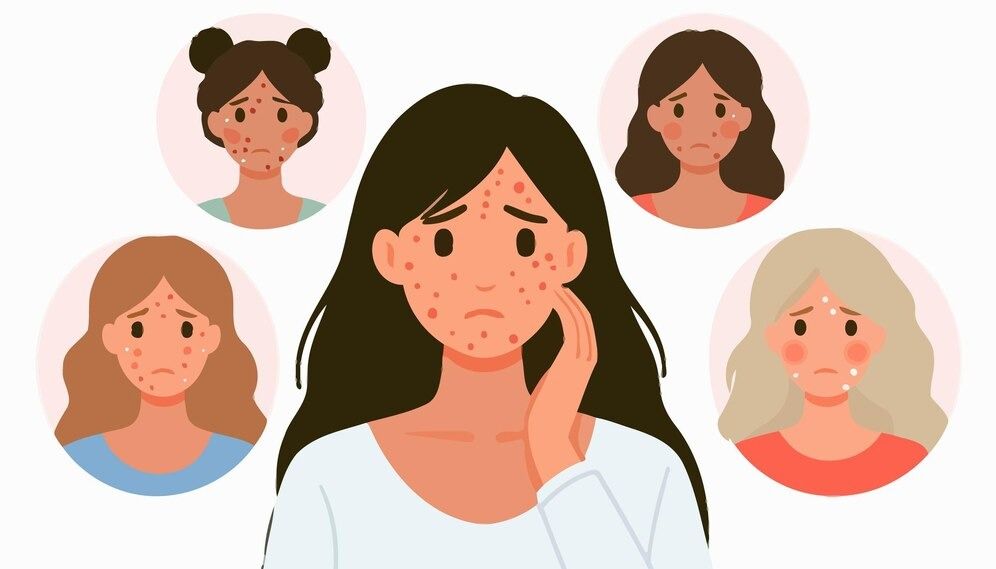
Acne is one of the most common — and misunderstood — skin conditions in the world. Nearly 85% of people between 12 and 24 experience acne at some point, yet misinformation about its causes and treatments spreads faster than the breakouts themselves.
From “chocolate causes pimples” to “you can scrub acne away,” these myths often lead people to make their acne worse instead of better.
In this article, we’ll separate fact from fiction, drawing from evidence-based dermatology and real clinical experience. You’ll learn what truly triggers acne — and what dermatologists actually recommend for lasting clear skin.
Myth #1: Acne Only Affects Teenagers
It’s true that acne often begins during puberty, but it doesn’t end there. In fact, adult acne is increasingly common, especially among women in their 20s, 30s, and even 40s.
The Reality
Hormonal fluctuations, stress, medications, and cosmetics can all contribute to adult-onset acne. Dermatologists now classify acne as a chronic condition that can appear at any stage of life.
Did You Know?
According to the American Academy of Dermatology, more than 15% of adult women experience regular breakouts.
Myth #2: Poor Hygiene Causes Acne
This is one of the most damaging myths because it leads people to over-wash and over-scrub their skin — which actually worsens acne.
The Reality
Acne isn’t caused by dirt; it’s caused by a combination of excess oil, clogged pores, bacteria (Cutibacterium acnes), and inflammation. Over-cleansing strips the skin’s barrier, leading to irritation and rebound oil production.
Dermatologist-Approved Advice:
“Wash your face twice a day with a gentle, non-comedogenic cleanser. Avoid harsh scrubbing or alcohol-based toners — they strip the skin and can worsen acne.”
— Dr. Mona Gohara, MD, Associate Clinical Professor of Dermatology at Yale School of Medicine
Myth #3: You Can “Dry Out” Acne with Toothpaste or Home Remedies
It’s a common trick seen on social media — dabbing toothpaste, lemon juice, or baking soda on pimples. Unfortunately, these home remedies do more harm than good.
The Reality
Toothpaste contains irritating ingredients like fluoride and menthol that can cause redness and burns. Lemon juice and baking soda disrupt your skin’s natural pH, leading to dryness and inflammation.
Dermatologists recommend formulated spot treatments with ingredients such as benzoyl peroxide, salicylic acid, or adapalene instead.
Myth #4: Popping Pimples Helps Them Heal Faster
It might feel satisfying — but popping pimples is one of the quickest ways to turn a minor breakout into a scar or infection.
The Reality
When you squeeze a pimple, you push bacteria and inflammation deeper into the skin. This can cause post-inflammatory hyperpigmentation (PIH) or even permanent scarring.
If you have a painful cyst or whitehead that needs extraction, dermatologists can safely perform a sterile comedone extraction or cortisone injection in the clinic.
Myth #5: Sun Exposure Clears Up Acne
Many people notice that acne seems to improve after sun exposure — but this is temporary and misleading.
The Reality
While UV rays may dry out the skin temporarily, they also increase inflammation, stimulate oil glands, and can worsen post-acne pigmentation over time.
Plus, excessive sun exposure increases your risk of premature aging and skin cancer.
Dermatologist-Approved Advice:
“Sunscreen is essential — even for acne-prone skin. Choose an oil-free, non-comedogenic formula with SPF 30 or higher to protect without clogging pores.”
— Dr. Debra Jaliman, MD, Board-Certified Dermatologist and Assistant Professor of Dermatology, Icahn School of Medicine at Mount Sinai
Myth #6: Chocolate and Greasy Foods Cause Acne
This one has been debated for decades. While it’s true that diet can influence acne in some people, there’s no evidence that chocolate or oily foods directly cause breakouts.
The Reality
Recent studies suggest that high-glycemic diets (refined carbs, sugary snacks, sweetened dairy) may contribute to acne — not chocolate itself.
Dermatologists often recommend a balanced diet rich in:
-
Omega-3 fatty acids (salmon, flaxseeds)
-
Fresh fruits and vegetables
-
Whole grains
-
Low-sugar dairy or alternatives
Myth #7: Makeup Causes Acne
Not necessarily — but using the wrong kind of makeup can clog pores and trigger breakouts.
The Reality
Look for products labeled “non-comedogenic” or “oil-free.” These are specifically formulated not to block pores.
Also, double-cleansing (using a gentle makeup remover or micellar water followed by a mild cleanser) can prevent residue buildup that contributes to acne.
Myth #8: Acne Will Go Away on Its Own
Some mild acne may clear with age or proper skincare — but moderate to severe acne usually needs medical treatment to prevent scarring and long-term damage.
The Reality
Dermatologists treat acne based on its type and severity using:
-
Topical retinoids (Adapalene, Tretinoin)
-
Benzoyl peroxide
-
Oral antibiotics or isotretinoin (for cystic acne)
-
Hormonal therapy (for women with hormonal acne)
Early treatment can prevent scars, dark spots, and emotional distress caused by chronic acne.
Dermatologist Note
“One of the biggest myths is that acne is your fault — that it’s caused by poor hygiene or bad habits. In reality, acne is an inflammatory condition influenced by genetics and hormones. With the right treatment plan, everyone can achieve clearer skin.”
— Dr. Joshua Zeichner, MD, FAAD, Director of Cosmetic & Clinical Research in Dermatology, Mount Sinai Hospital
(Source: Insider Health, 2023)
Myth #9: Natural or Organic Products Are Always Better
Just because a product is “natural” doesn’t mean it’s suitable for acne-prone skin. Essential oils, coconut oil, and certain botanical extracts can clog pores or cause irritation.
The Reality
Dermatologists focus on evidence-based ingredients, not labels. Effective ingredients include:
-
Niacinamide (anti-inflammatory)
-
Salicylic acid (exfoliating)
-
Benzoyl peroxide (antibacterial)
-
Retinoids (cell renewal)
Always patch-test new products — natural or not.
Myth #10: Acne Is Just a Cosmetic Issue
Acne goes far beyond the surface. Studies show that chronic acne can impact self-esteem, mental health, and social confidence.
The Reality
Dermatologists treat acne as a medical and emotional condition. Effective treatment restores not only the skin but also mental well-being.
“Early treatment prevents long-term scarring — both physical and emotional,” says Dr. Whitney Bowe, MD, FAAD. “No one should feel they just have to ‘live with it.’”
How to Manage Acne the Right Way
Dermatologist-approved approach:
-
Gentle cleansing twice daily with a mild, pH-balanced cleanser.
-
Targeted actives – use products with salicylic acid, niacinamide, or benzoyl peroxide.
-
Consistent moisturization – hydration supports healing and reduces irritation.
-
Sun protection – use oil-free, broad-spectrum SPF daily.
-
See a dermatologist early – don’t wait for acne to worsen before getting help.
Related Internal Links
You may also like:
FAQs
1. Can acne be cured permanently?
While acne can’t always be “cured,” it can be effectively managed with consistent dermatological care.
2. Is acne genetic?
Yes — genetics play a major role in your skin’s oil production and inflammation response.
3. Can I prevent acne scars?
Yes. Early, proper treatment and avoiding picking or squeezing pimples helps prevent scarring.
4. How long does acne treatment take?
Most treatments take 8–12 weeks to show visible improvement.
Conclusion
Acne myths often keep people stuck in an endless cycle of trial and error. The truth is — acne isn’t caused by poor hygiene, bad diets, or moral failings. It’s a complex skin condition rooted in biology, hormones, and inflammation, not superstition.
By replacing myths with dermatologist-backed facts, you can make smarter skincare choices — and finally achieve the clear, healthy skin you deserve.
⚠️ Medical Disclaimer
This article is for informational purposes only and not a substitute for professional medical advice. Always consult a board-certified dermatologist for personalized care.

Leave a Reply