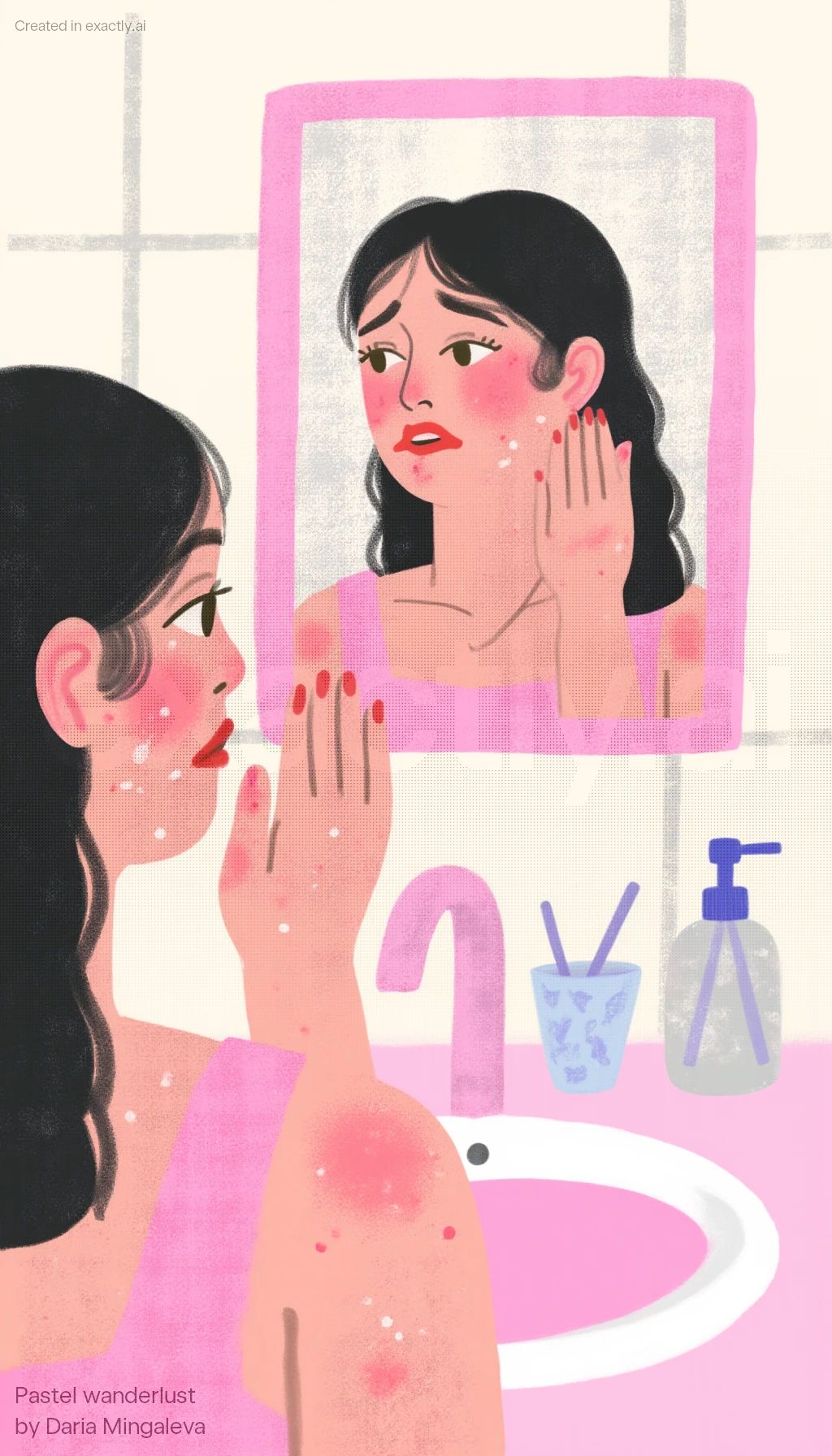
You’ve tried every cleanser, spot treatment, and serum promising clear skin — yet the breakouts keep coming back. The truth? Sometimes, it’s not what you aren’t doing, but what you are doing wrong.
Acne is a medical condition influenced by hormones, genetics, and skin barrier health — but daily habits and skincare mistakes often make it worse. Even well-intentioned routines can backfire if you over-exfoliate, skip moisturizer, or use harsh products.
This dermatologist-backed guide explains the most common skincare mistakes that worsen acne, how they harm your skin barrier, and what to do instead for clearer, calmer skin.
1. Over-Washing or Scrubbing Too Hard
The Mistake
Many people believe that acne means dirty skin — so they wash their face multiple times a day or use harsh scrubs.
But acne isn’t caused by dirt; it’s caused by clogged pores, oil, and inflammation. Over-washing strips the skin of its natural oils, leading to dryness and irritation. The skin compensates by producing even more oil — fueling more breakouts.
The Fix
-
Wash your face twice a day (morning and night) — no more.
-
Use a gentle, sulfate-free cleanser with ingredients like salicylic acid, benzoyl peroxide, or ceramides.
-
Avoid scrubs with large or rough particles — these can tear micro-holes in the skin.
Dermatologist Quote:
“Your skin isn’t a floor that needs scrubbing — it’s an organ that needs balance,” says Dr. Joshua Zeichner, MD, Director of Cosmetic & Clinical Research in Dermatology at Mount Sinai Hospital.
2. Skipping Moisturizer
The Mistake
Many acne sufferers skip moisturizer thinking it will make them oilier or clog pores. In reality, dry skin triggers more sebum production and increases inflammation.
The Fix
-
Use a lightweight, non-comedogenic moisturizer twice daily.
-
Look for hydrating ingredients like hyaluronic acid, glycerin, ceramides, and niacinamide.
-
Gel-based moisturizers work best for oily or acne-prone skin.
Dermatologist Tip:
“When skin is hydrated, acne medications work better and cause fewer side effects,” says Dr. Whitney Bowe, MD, FAAD.
3. Using Too Many Active Ingredients at Once
The Mistake
Combining multiple acne treatments — benzoyl peroxide, salicylic acid, retinoids, and exfoliating toners — can overwhelm the skin barrier. This leads to dryness, redness, peeling, and even more breakouts (a reaction known as irritant acne).
The Fix
-
Introduce one new active ingredient every two weeks.
-
Keep exfoliation to 1–3 times weekly, depending on tolerance.
-
Balance actives with barrier-repair moisturizers.
-
If your skin stings or burns, simplify — fewer products often work better.
4. Picking or Popping Pimples
The Mistake
It’s tempting to pop a pimple for instant gratification, but doing so spreads bacteria, worsens inflammation, and can cause permanent scarring or post-inflammatory hyperpigmentation (PIH).
The Fix
-
Hands off! Let pimples heal naturally.
-
Use hydrocolloid patches to absorb pus and protect from picking.
-
For painful cystic acne, visit a dermatologist for a cortisone injection to shrink it safely within 24–48 hours.
Dermatologist Quote:
“One minute of picking can lead to months of scarring,” says Dr. Sandra Johnson, MD, FAAD. “It’s one of the hardest habits to break but the most important one for clear skin.”
5. Not Wearing Sunscreen
The Mistake
Many people with acne avoid sunscreen, assuming it will make their skin greasy or cause more breakouts. The truth: UV rays worsen inflammation and darken acne scars.
The Fix
-
Apply a broad-spectrum, oil-free SPF 30+ daily — even on cloudy days.
-
Choose gel-based or mineral sunscreens with zinc oxide or niacinamide.
-
Reapply every two hours when outdoors.
Dermatologist Insight:
“Sun damage makes acne marks harder to fade,” explains Dr. Julie Harper, MD, President of the American Acne and Rosacea Society.
6. Sleeping with Makeup On
The Mistake
Leaving makeup on overnight traps oil, dirt, and bacteria — clogging pores and triggering breakouts.
The Fix
-
Remove makeup every night with micellar water or a gentle oil-free cleanser.
-
Use non-comedogenic, mineral-based makeup if you wear it daily.
-
Clean makeup brushes weekly to prevent bacterial buildup.
7. Using Alcohol-Based Toners or Astringents
The Mistake
Alcohol gives a temporary “tight” feeling, but it strips the skin’s natural barrier, causing irritation and rebound oil production.
The Fix
-
Ditch harsh toners.
-
Instead, choose pH-balanced hydrating toners with niacinamide, green tea extract, or PHA (polyhydroxy acids) for gentle exfoliation.
-
Your skin should feel soft and calm after toning — not squeaky-clean or tight.
8. Switching Products Too Quickly
The Mistake
When acne treatments don’t show results after a few days, many people abandon them — starting new ones immediately. But acne takes 6–12 weeks to respond to treatment.
The Fix
-
Stick to a consistent routine for at least two full skin cycles (8–10 weeks).
-
Track progress with photos instead of daily inspection.
-
Be patient — consistent, gentle care wins over constant product hopping.
Dermatologist Tip:
“Skin needs time to adapt,” says Dr. Adam Friedman, MD, Professor of Dermatology at George Washington University. “Most acne failures come from impatience, not ineffective products.”
9. Using Body or Hair Products That Clog Pores
The Mistake
Shampoo, conditioner, and body lotion can trigger breakouts — especially along the hairline, jawline, or back.
The Fix
-
Avoid heavy silicones, oils, and waxes in hair products.
-
Wash your face after shampooing to remove residue.
-
Choose oil-free body lotions and non-comedogenic sunscreens for the back and chest.
10. Ignoring Hydration and Diet
The Mistake
Dehydration and diets high in sugar, refined carbs, and dairy may worsen acne by increasing inflammation and insulin levels.
The Fix
-
Drink plenty of water throughout the day.
-
Eat omega-3-rich foods (salmon, walnuts, flaxseed).
-
Increase antioxidant-rich vegetables and fruits (spinach, berries).
-
Limit sugary drinks and processed snacks.
11. Over-Exfoliating
The Mistake
Exfoliation helps unclog pores, but too much of it damages your protective barrier and triggers micro-inflammation.
The Fix
-
Limit exfoliation to 1–3 times per week.
-
Use chemical exfoliants (salicylic acid, glycolic acid) instead of harsh scrubs.
-
Always follow with a soothing, hydrating moisturizer afterward.
Dermatologist Quote:
“Over-exfoliating is like over-training your skin — it leads to burnout,” says Dr. Angela Lamb, MD, Associate Professor of Dermatology at Mount Sinai. “Healthy skin needs rest days.”
12. Using the Wrong Type of Moisturizer or Sunscreen
The Mistake
Thick creams or greasy sunscreens can clog pores — but skipping them altogether makes acne worse.
The Fix
-
Pick non-comedogenic, oil-free moisturizers and SPFs.
-
Avoid coconut oil, cocoa butter, or lanolin.
-
Use gel-based moisturizers with niacinamide and hyaluronic acid to hydrate without heaviness.
13. Not Cleaning Pillowcases, Phones, and Makeup Brushes
The Mistake
Dirty surfaces transfer bacteria, oil, and dead skin back onto your face daily — especially pillowcases and phones.
The Fix
-
Change pillowcases twice weekly.
-
Clean phone screens daily with alcohol wipes.
-
Wash makeup brushes every 7–10 days.
14. Ignoring the Skin Barrier
The Mistake
Acne treatments can disrupt the skin barrier — leading to redness, burning, and sensitivity. When the barrier is weak, acne medications can’t work properly.
The Fix
-
Support your barrier with ceramides, squalane, and panthenol.
-
Avoid overuse of exfoliants or drying agents.
-
Add niacinamide or centella asiatica to calm inflammation.
15. Expecting Instant Results
The Mistake
Acne treatments don’t work overnight. Expecting instant results leads to frustration and product-hopping.
The Fix
-
Understand that acne improvement takes 6–12 weeks.
-
Stick to one consistent, dermatologist-approved routine.
-
Track results monthly, not daily.
Dermatologist Quote:
“Consistency beats intensity,” says Dr. Hadley King, MD, Clinical Instructor of Dermatology at Weill Cornell Medical College. “A gentle, steady approach clears skin faster than an aggressive one.”
16. Ignoring Professional Help
The Mistake
Relying solely on social media “hacks” or influencers often delays proper treatment. Acne is a medical condition — not a DIY project.
The Fix
See a board-certified dermatologist if:
-
OTC products don’t help after 8–12 weeks.
-
Acne is cystic, painful, or leaving scars.
-
Breakouts worsen with stress or hormones.
A dermatologist can prescribe topical retinoids, antibiotics, hormonal treatments, or isotretinoin — tailored to your needs.
17. Forgetting About Mental Health
The Mistake
Acne can cause emotional distress, anxiety, and self-esteem issues. Stress hormones (like cortisol) can worsen breakouts.
The Fix
-
Manage stress with sleep, exercise, and relaxation techniques.
-
Consider therapy or support groups if acne affects confidence.
-
Remember, acne is common — it’s treatable and temporary.
Dermatologist Insight:
“The emotional impact of acne is real,” says Dr. Whitney Bowe, MD. “Addressing both the skin and the mind helps patients heal faster and feel better.”
Bonus: The Right Way to Build an Acne-Friendly Routine
Here’s how to create a simple, dermatologist-approved acne skincare plan:
Morning
-
Cleanse: Gentle foaming cleanser (salicylic acid or sulfur-based)
-
Treat: Niacinamide or azelaic acid serum
-
Moisturize: Oil-free hydrating gel
-
Protect: Broad-spectrum SPF 30+
Evening
-
Cleanse: Mild cleanser
-
Treat: Retinoid or benzoyl peroxide (alternate nights)
-
Moisturize: Ceramide-based lotion or gel-cream
Keep it simple, consistent, and supportive of your skin barrier.
FAQs
1. Can washing my face more often help acne?
No. Over-washing strips the skin’s natural oils and worsens breakouts. Cleanse twice daily only.
2. How long before acne treatments start working?
Most treatments take 6–12 weeks. Patience and consistency are key.
3. Should I exfoliate daily if I have acne?
No. Exfoliate gently 1–3 times per week using a chemical exfoliant like salicylic acid.
4. Does sunscreen clog pores?
Not if it’s oil-free and non-comedogenic. Mineral sunscreens with zinc oxide are safest for acne.
5. What’s the biggest acne mistake people make?
Using too many products too fast — it overwhelms your skin barrier.
Key Takeaways
-
Acne often worsens due to everyday skincare mistakes — not just hormones.
-
Avoid over-washing, over-exfoliating, and skipping moisturizer or sunscreen.
-
Simplify your skincare routine and give products time to work.
-
Protect your barrier and hydrate consistently.
-
Seek professional help early to prevent scarring and emotional stress.
Conclusion
Clear skin isn’t about doing more — it’s about doing the right things.
When you stop the common skincare mistakes — like over-cleansing, skipping sunscreen, or mixing too many actives — your skin can finally heal and rebalance itself.
Acne doesn’t define you, and with the right care, it can be managed effectively. The key is patience, simplicity, and listening to what your skin truly needs.

Leave a Reply